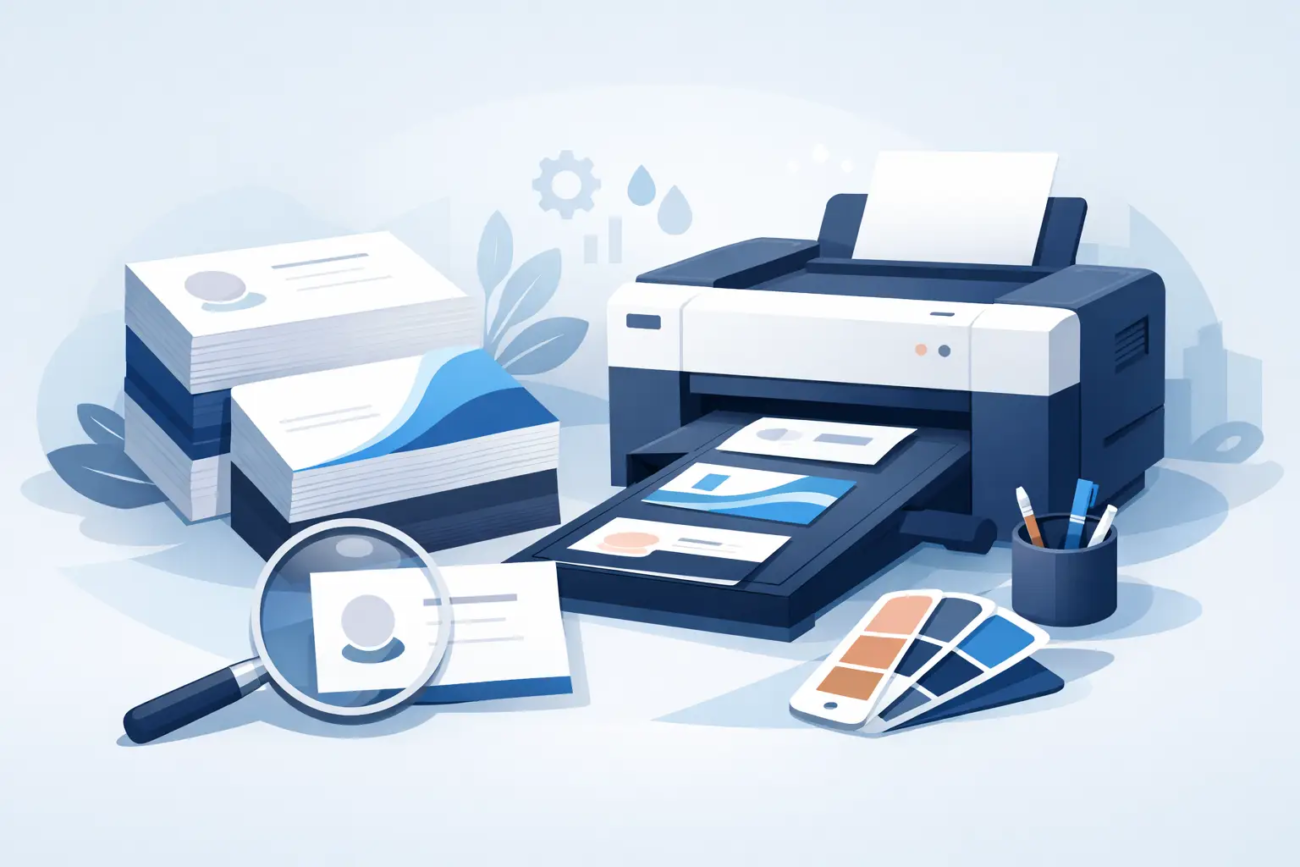
A brochure usually gets judged in seconds. The paper stock, the color, the fold, and the way the message is organized all tell people whether your business feels established, prepared, and worth contacting. That is why brochure printing services still matter for companies that need real-world marketing tools that support sales, events, mail campaigns, and day-to-day outreach.
For many small and mid-sized organizations, brochures do more than sit on a counter. They help sales teams leave behind something useful after meetings. They give nonprofits a clear way to explain programs and sponsorship opportunities. They support trade shows, chamber events, open houses, healthcare offices, schools, and association communications. A well-produced brochure can answer common questions before a prospect ever picks up the phone.
What brochure printing services actually include
Good brochure printing services are not just about sending a file to a press. The best providers help you make decisions that affect cost, appearance, durability, and turnaround time. That starts with format. A tri-fold may work well for service overviews, while a bi-fold can feel more polished for presentations, menus, or event handouts. Multi-panel options give you more room, but they also require tighter content planning so the design does not feel crowded.
Paper selection matters more than many buyers expect. A heavier stock can make a brochure feel premium and durable, but it also changes postage, display handling, and total print cost. Gloss stock often makes photos stand out, while matte can feel easier to read and write on. If your brochure will be mailed, inserted into packets, handed out outdoors, or used repeatedly by staff, those details should be part of the planning conversation early.
Printing method is another factor. Digital printing is often the right fit for shorter runs, quick updates, and fast turnaround. Offset printing can be more cost-effective for larger quantities and is often chosen when color consistency across high-volume runs matters. The right provider should explain that trade-off clearly instead of pushing one method for every project.
Why businesses still rely on printed brochures
Digital marketing does a lot of heavy lifting, but print fills gaps that screens do not. A brochure gives people something they can hold, share, and revisit later without opening an inbox or searching for a website. In face-to-face selling environments, that physical handoff still carries weight.
Printed brochures also help businesses control the message. A website can have dozens of navigation paths. A brochure forces clarity. It asks you to decide what matters most, what your customer needs to know first, and what action should happen next. That discipline often improves the quality of the marketing itself.
There is also a practical reason. Not every interaction starts online. Local service businesses, manufacturers, schools, community groups, and event organizers still meet people in offices, lobbies, trade shows, waiting rooms, conferences, and local gatherings. In those settings, brochures work because they are simple, portable, and professional.
How to choose brochure printing services wisely
The cheapest quote is not always the best value. If a provider misses deadlines, prints inconsistent colors, or delivers brochures with folding issues, you pay for that elsewhere through delays, waste, and missed opportunities. Reliability matters, especially when brochures support an event, seasonal campaign, or sales push with a fixed date.
Look for a provider that asks useful questions. They should want to know how the brochure will be used, how many you need, whether it will be mailed, who the audience is, and whether the artwork is press-ready. If they do not ask those questions, they may be treating your order as a simple commodity job when it actually has marketing implications.
Turnaround time should be discussed in realistic terms. Fast service is valuable, but speed without quality control creates problems. If you have an event in ten days, the right print partner should help you choose a format, stock, and quantity that can be produced on time without creating unnecessary risk.
Proofing is another area where dependable brochure printing services stand apart. A proper proof gives you one more chance to catch pricing errors, outdated phone numbers, low-resolution images, awkward panel breaks, and brand inconsistencies. It is much easier to fix those before production than after boxes arrive at your office.
Design and printing need to work together
One of the most common brochure problems is treating design and printing as separate decisions. A brochure may look great on a screen but fail once it is folded, trimmed, or printed at full size. Text can land too close to folds. Colors can shift. Photos can lose sharpness. Panels can feel unbalanced.
That is why coordinated execution matters. When design, file setup, and print production are aligned, the final piece performs better. The cover draws attention, the inside panels guide the reader naturally, and the back panel gives a clear next step. Instead of guessing, you get a brochure built for how it will actually be used.
For many organizations, this is where a full-service partner has an advantage. If your brochure is part of a broader campaign, it helps when the same team can align the print piece with your website, direct mail, signage, event materials, or digital ads. The branding stays consistent, and the project moves faster because fewer handoffs are involved. Fox Tracks works this way for clients who want one reliable source for both production and marketing support.
Common brochure mistakes that reduce results
Most brochure failures are not dramatic. They are small decisions that add up. Too much copy is one of the biggest issues. Businesses often try to say everything at once, which leaves readers with no clear takeaway. A brochure should guide attention, not overwhelm it.
Weak calls to action are another problem. If the piece does not tell people what to do next, it may be remembered but not acted on. Depending on the audience, that next step could be scheduling a consultation, visiting a showroom, registering for an event, making a donation, or contacting your office.
Low-quality images and inconsistent branding also hurt credibility. If the brochure uses outdated logos, mismatched colors, or generic visuals, the business can look less established than it really is. The same goes for paper that feels too flimsy for the setting. Cost control matters, but going too cheap can work against the purpose of the piece.
When brochure printing services deliver the most value
Brochures are especially effective when the buying decision involves more than a quick impulse. If your customers compare options, discuss services internally, or need something to take back to a team, a brochure can keep your business in the conversation. This is common in healthcare, professional services, education, tourism, associations, home services, and B2B sales.
They also work well when paired with direct mail or in-person distribution. A brochure inside a welcome packet or leave-behind folder can carry more context than a postcard. At events, it can support conversations that staff do not have time to repeat for every attendee. In lobbies and front desks, it answers questions while reinforcing a professional image.
That said, it depends on the goal. If you only need to announce one short-term promotion, a flyer may be the better fit. If you need a more durable sales tool that explains services, pricing approach, benefits, and trust points in one place, a brochure often earns its keep over time.
Getting better results from your next brochure order
Start with the audience, not the format. Think about what they need to know to feel confident taking the next step. Then build the brochure around that decision path. Strong brochure printing services should help translate that purpose into practical print choices, from folds and paper to quantity and production timing.
It also helps to think beyond the order itself. Will your brochures be used by one location or several? Do you need room for versioning by department, event, or offer? Are you likely to update pricing or services soon? Those details affect whether a short digital run or a larger offset run makes more sense.
A brochure should never feel like an afterthought. When it is planned well, designed with intent, and printed to match the job it needs to do, it becomes a dependable part of your marketing system – one that supports your team, reinforces your brand, and helps prospects take you seriously.
If your business needs marketing materials that are clear, polished, and delivered on time, the right print partner will do more than produce brochures. They will help you make smarter decisions before the press ever starts running.