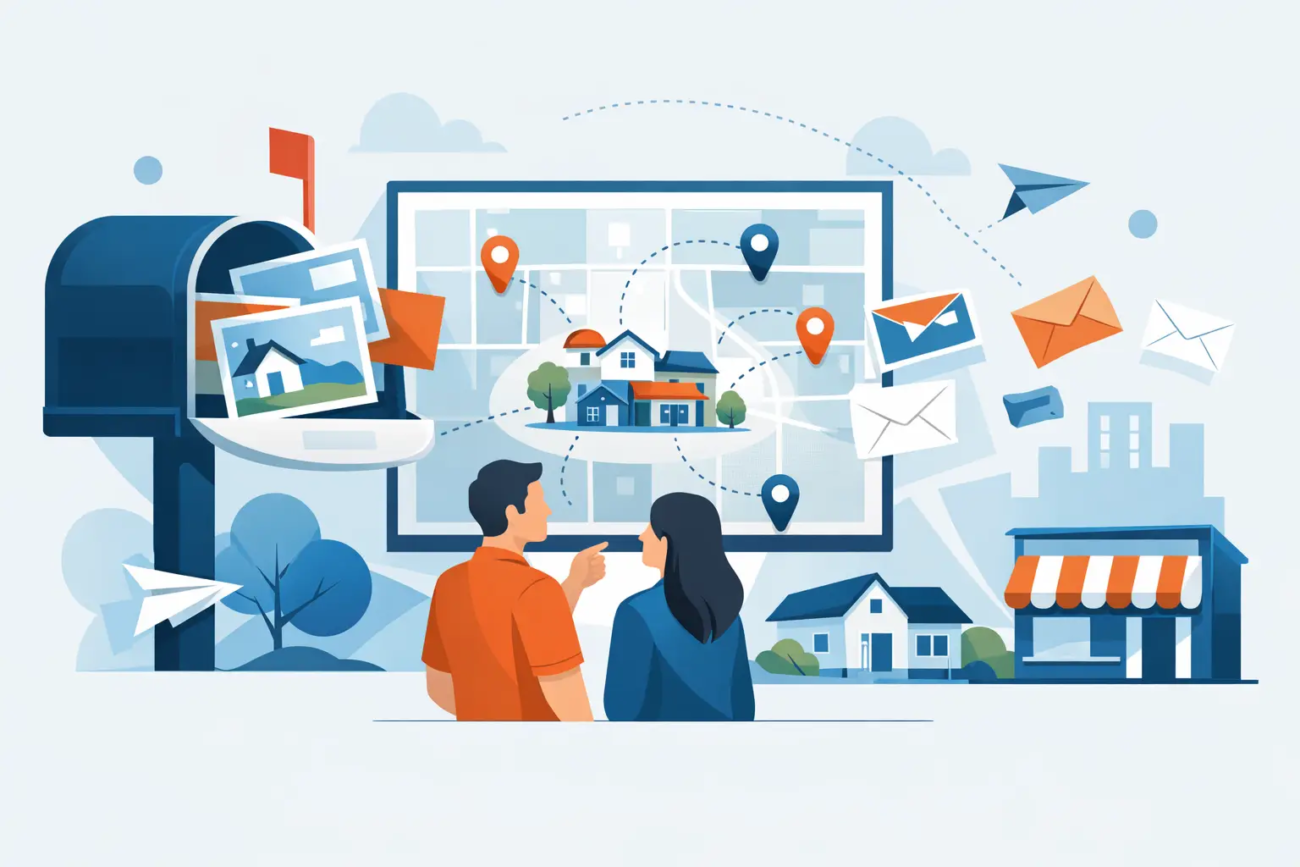
If you are deciding between eddm vs targeted mailing, the real question is not which one is better in general. It is which one matches your goal, budget, timeline, and audience. A local restaurant promoting a grand opening has very different needs than a B2B company trying to reach facility managers in three ZIP codes.
That distinction matters because both options can work. They simply work in different ways. When businesses choose the wrong format, they often blame direct mail when the real issue was the list strategy.
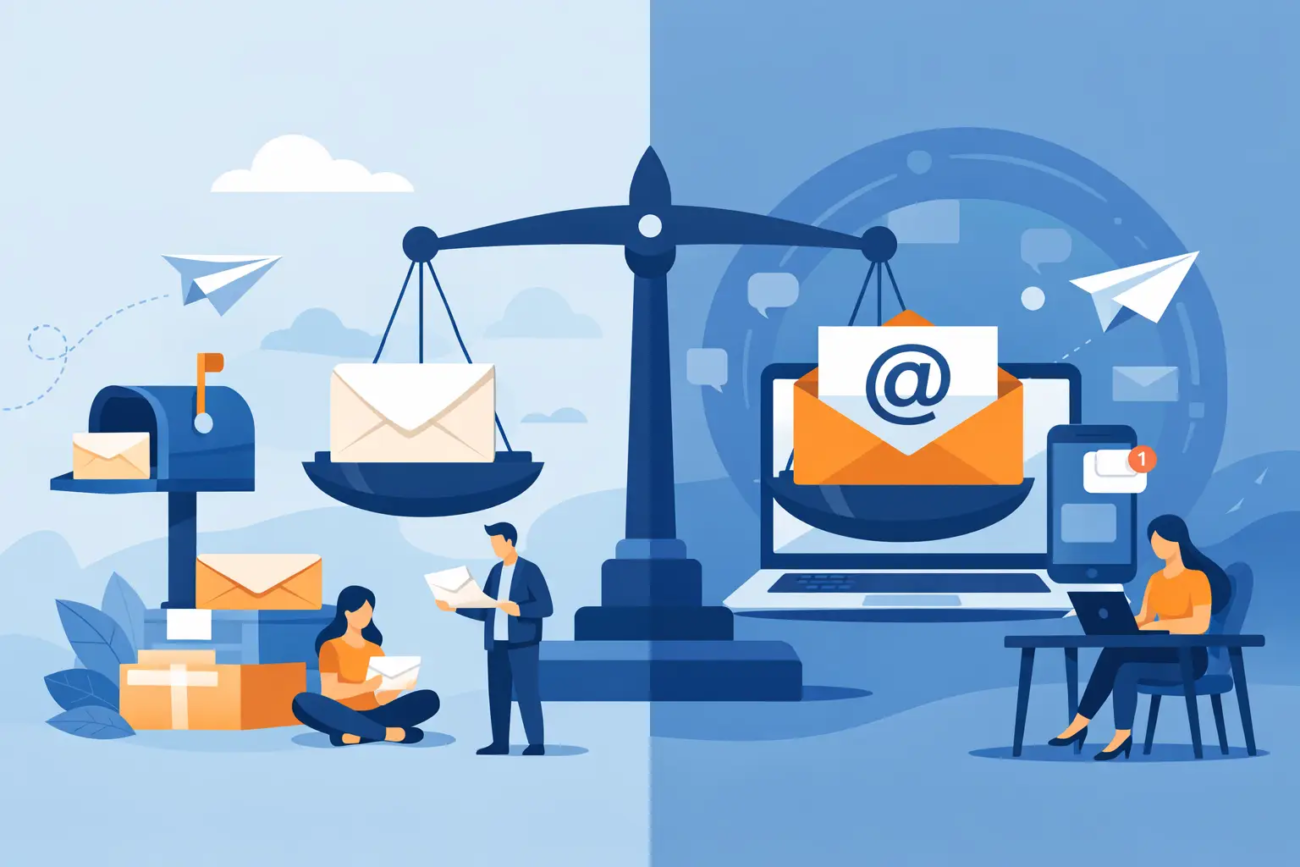
EDDM vs targeted mailing: the core difference
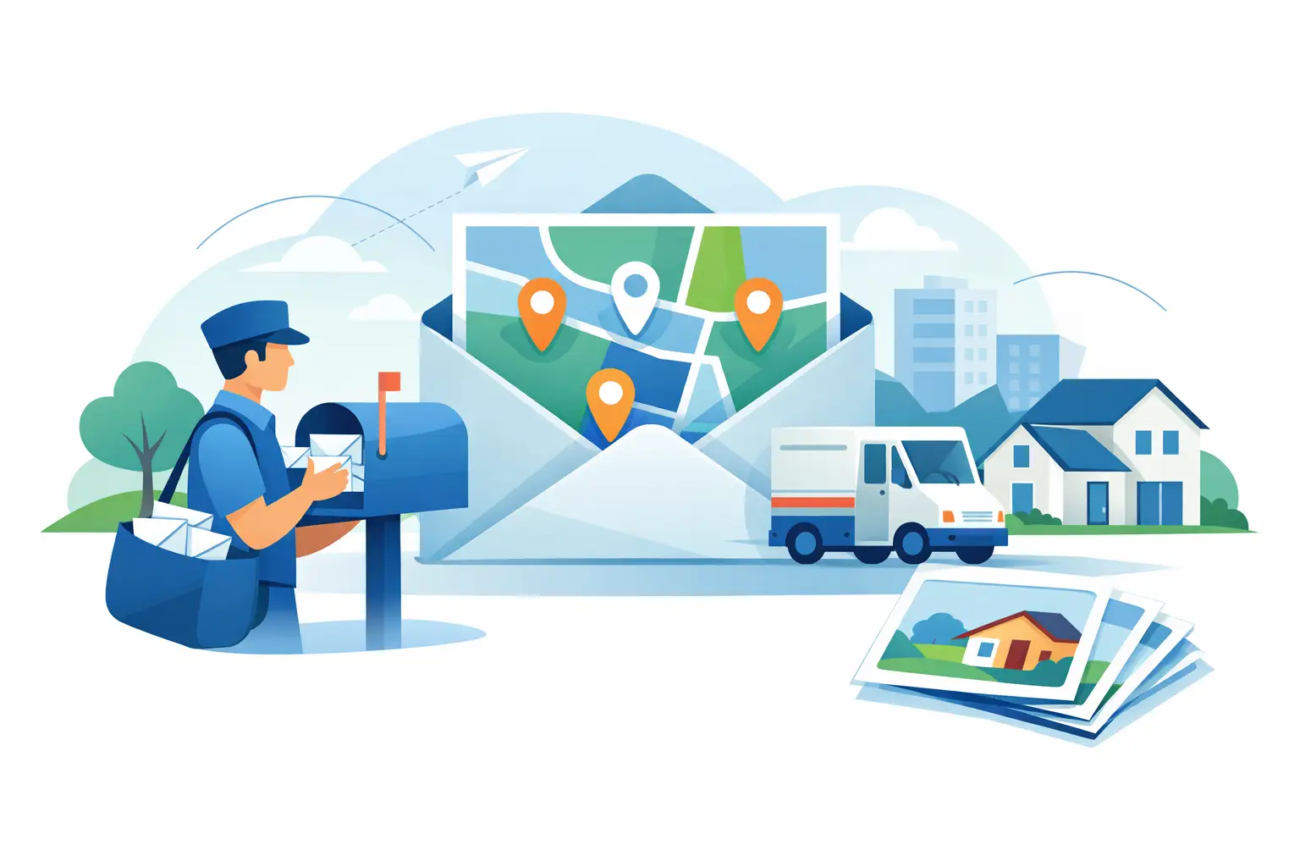
Every Door Direct Mail, or EDDM, is built for coverage. You choose carrier routes in a geographic area, and your mail piece is delivered to every address on those routes within USPS rules. You do not need a purchased mailing list, and you are not selecting individual recipients one by one.
Targeted mailing is built for precision. Instead of saturating an area, you send to a selected list based on factors like household income, age, homeowner status, job title, industry, purchase behavior, or past customer activity. In some cases, that list comes from your own customer database. In others, it comes from a rented or purchased mailing list matched to your ideal audience.
So the simplest way to frame eddm vs targeted mailing is this: EDDM helps you blanket a neighborhood, while targeted mailing helps you reach specific people.
When EDDM makes the most sense
EDDM is often the strongest fit when location matters more than identity. If your business depends on nearby traffic, nearby households, or broad local awareness, EDDM can be a very efficient option.
Think about businesses like pizza shops, dental offices, gyms, salons, real estate agents, daycare centers, local retailers, community events, and home service providers working inside a defined service radius. In those cases, mailing to every household in selected routes can make sense because almost everyone nearby is at least a possible customer.
The biggest advantage is reach for the cost. Because you are not paying for list development or advanced data selection, EDDM can stretch your budget further. It is also faster to plan when the audience is geographic. You can identify the routes, design the piece, and move toward production without spending extra time refining a list.
There is a trade-off, though. Waste is built into the model. Some households will have no interest, no need, or no fit for your offer. If your service only applies to a narrow buyer group, broad saturation can lower efficiency even if the postage rate looks attractive.
When targeted mailing is the better move
Targeted mailing becomes stronger when your customer is more specific than your geography. If you know who you want to reach, or at least the type of person or business you want to reach, targeting usually gives you more control and better message alignment.
That matters for higher-value offers, niche services, and campaigns where response quality matters more than total household reach. A financial advisor may want to mail only to households in a certain income range. A commercial cleaning company may want to reach office managers, property managers, or building owners. A nonprofit may want to segment donors by giving history instead of sending the same appeal to everyone.
Targeted mailing also supports personalization better. You can tailor copy, offers, and creative to the audience segment. That often improves response because the piece feels more relevant. Relevance is a major driver in direct mail performance, especially when budgets are tight and every piece needs to work harder.
The trade-off is cost and complexity. Better data usually costs more. List quality matters. Processing, addressing, and personalization add steps. If the data is weak, a highly targeted campaign can underperform for reasons that have nothing to do with the creative.
Budget is only part of the decision
Many businesses assume EDDM is the low-cost option and targeted mailing is the premium option. That is true in some cases, but it is not the whole picture.
EDDM often has a lower barrier to entry because it avoids list purchase costs and simplifies distribution. For a business that needs broad local exposure quickly, that can be a practical win. But lower cost per piece does not automatically mean lower cost per lead or lower cost per sale.
Targeted mailing usually has a higher upfront cost per recipient, but it can produce stronger response if the audience is well defined and the offer is relevant. If you sell a high-ticket service, one qualified response can justify the extra spend. In that situation, cheaper mail that reaches the wrong homes is not really cheaper.
The better question is not, “Which costs less?” It is, “Which approach gives us the best return for this campaign?”
Message matters more than most businesses expect
The eddm vs targeted mailing choice should shape your message. Broad geographic mail works best when the offer is simple, immediate, and easy to understand. Think grand openings, limited-time discounts, local service promotions, seasonal reminders, or community event announcements.
Targeted mailing gives you room to be more specific. You can speak to pain points, buying triggers, or business needs that only apply to a certain audience. That usually leads to stronger copy because you are not trying to appeal to everyone at once.
This is where many campaigns go sideways. A business uses EDDM with a highly specialized offer and gets weak response, or it uses targeted mailing but keeps the messaging so generic that the targeting advantage disappears. Audience strategy and creative strategy need to match.
Timing and speed can tip the scale
Sometimes the best format is the one that fits your deadline. If you need to promote an event, fill seats for a seasonal campaign, or get a local offer into homes quickly, EDDM can be attractive because it is straightforward to deploy.
Targeted mailing can take more planning, especially if you need to source a list, clean your data, segment the audience, or personalize the content. That extra effort can be worth it, but it is not always ideal for a short runway.
If your campaign timing is tight, start with the operational reality. A well-executed mail drop that arrives on time usually outperforms the perfect campaign that misses the window.
Geography vs data: what drives your business?
A practical way to choose is to ask what drives buying decisions in your market.
If proximity is the main factor, EDDM often makes more sense. A coffee shop, auto repair business, urgent care clinic, or family entertainment venue is usually trying to stay visible to people nearby. In those cases, physical closeness does a lot of the work.
If buyer profile matters more than physical distance, targeted mailing has the edge. An accounting firm, private school, specialized contractor, senior living provider, or association membership campaign may need to reach a narrower set of people who meet certain criteria. Mailing every household in a route would create too much waste.
Some businesses sit in the middle. A remodeling company may care about both geography and homeowner profile. A medical practice may want nearby households, but only within a certain age range or insurance profile. That is where a more tailored strategy starts to pay off.
You do not always have to choose one
For many organizations, the best answer is not purely EDDM or purely targeted mailing. It is a combination.
A broad EDDM campaign can build local awareness, while a targeted follow-up reaches the people most likely to convert. A retail business might use EDDM to announce a new location, then send a targeted offer to past customers or high-value households. A nonprofit could use neighborhood saturation to promote an event, then use targeted lists for donor cultivation.
This layered approach works well because awareness and conversion are not the same job. One format can create presence, while the other drives action. When both are planned together, direct mail becomes more strategic and easier to measure.
That is often where a full-service marketing partner adds value. The print production is only one piece. The bigger advantage is building the right campaign structure from the start so budget, design, data, timing, and distribution all support the same goal.
How to make the right call
If your priority is broad neighborhood visibility, simple offers, and efficient local reach, EDDM is often the stronger option. If your priority is audience precision, personalized messaging, and higher-value response, targeted mailing is usually the smarter investment.
If you are still weighing eddm vs targeted mailing, step back and define success clearly. Do you need more people to know you exist, or do you need the right people to respond? Are you trying to own a local area, or reach a narrow segment? Is this a fast promotion, or a campaign where better data will pay off over time?
Those answers usually point to the right format faster than pricing alone.
The strongest direct mail campaigns are not built around what is available. They are built around what your business needs to accomplish, then executed with the kind of detail that keeps timelines tight and waste low. When the strategy fits the goal, direct mail stops feeling like a gamble and starts working like a dependable marketing channel.