Most local businesses do not have a lead problem. They have a visibility, offer, or follow-up problem.
That is where a strong local lead generation guide becomes useful. If you are trying to bring in more calls, quote requests, event registrations, or walk-in traffic, the goal is not to be everywhere at once. The goal is to show up in the right places, with the right message, and make it easy for people nearby to take the next step.
For small to mid-sized businesses, local organizations, and associations, that usually means building a system instead of relying on one tactic. SEO might help people find you. Direct mail might put your name in front of the right neighborhoods. Signage might increase response from people already nearby. Email and social media might keep your business top of mind. None of these works well in isolation for long.
What a local lead generation guide should actually help you do
A useful local lead generation guide should help you answer three practical questions. Who are you trying to reach? Where are they likely to notice you? What action do you want them to take?
That sounds simple, but many campaigns break down right there. A business owner wants more leads, but the audience is too broad. The message talks about the company instead of the customer problem. The landing page is vague. The postcard looks good but does not give people a reason to respond now.
Local lead generation works best when each piece supports the next one. A search ad should lead to a focused page. A mailer should match the website offer. A sign or event banner should reinforce the same brand and call to action. When your marketing is coordinated, response rates tend to improve because prospects are not piecing the story together on their own.
Start with the offer, not the channel
Businesses often ask whether they should invest in SEO, paid ads, social media, or direct mail first. The real answer is that it depends on the offer.
If you have a time-sensitive promotion, paid ads and email can move faster. If you provide a service people search for when they need it, local SEO matters more. If you want to reach a defined neighborhood or a specific trade area, direct mail can be a strong fit. If your business depends on repeat visibility, signage and printed collateral still matter more than many companies expect.
Before spending on any channel, tighten the offer. “Contact us for more information” is rarely enough. A better offer gives people a reason to act, such as a free estimate, a limited-time discount, a consultation, an event invitation, or a clear service package. The more specific the value, the better your lead generation usually performs.
Build your local presence where intent is highest
High-intent traffic is usually the fastest path to leads. That includes people searching for your service in your city, checking reviews, comparing providers, or looking for directions and contact details.
Your website needs to support that behavior. Service pages should be clear, location-aware, and built for conversion. If you serve multiple cities or neighborhoods, each area may need its own content rather than one generic page trying to cover everything. Your contact information should be easy to find, your forms should be short, and your calls to action should match what a local customer actually wants to do next.
Search visibility also depends on consistency. Your business name, address, phone number, business categories, and service descriptions should align across your digital presence. This is not glamorous work, but it affects whether local prospects trust what they are seeing.
Reviews matter too, but not just because they influence rankings. They reduce hesitation. If someone is comparing three local options, strong recent reviews can tip the decision in your favor. The trade-off is that review generation requires follow-through. You need a steady process after each completed job, purchase, or event interaction.
Use paid channels to fill the gaps
SEO takes time. Paid ads can help when you need leads sooner, want to support a seasonal campaign, or are entering a competitive local market.
Search ads are usually strongest when intent is already there. A person looking for “commercial printer near me” or “local marketing company” is much closer to action than someone casually scrolling social media. That said, paid search can become expensive if the landing page is weak or if campaigns are too broad. You do not want to pay for clicks from the wrong service area or from people looking for something you do not offer.
Social media ads can work well for local awareness, event promotion, and offer-based campaigns, especially when the audience is defined by geography and interest. They are less reliable for urgent, high-intent needs, but useful for staying visible and generating response over time.
For many organizations, the strongest approach is mixed. Use SEO and listings to capture ongoing demand, then use paid media to support special pushes, priority services, or new market segments.
Do not overlook direct mail and print in a local strategy
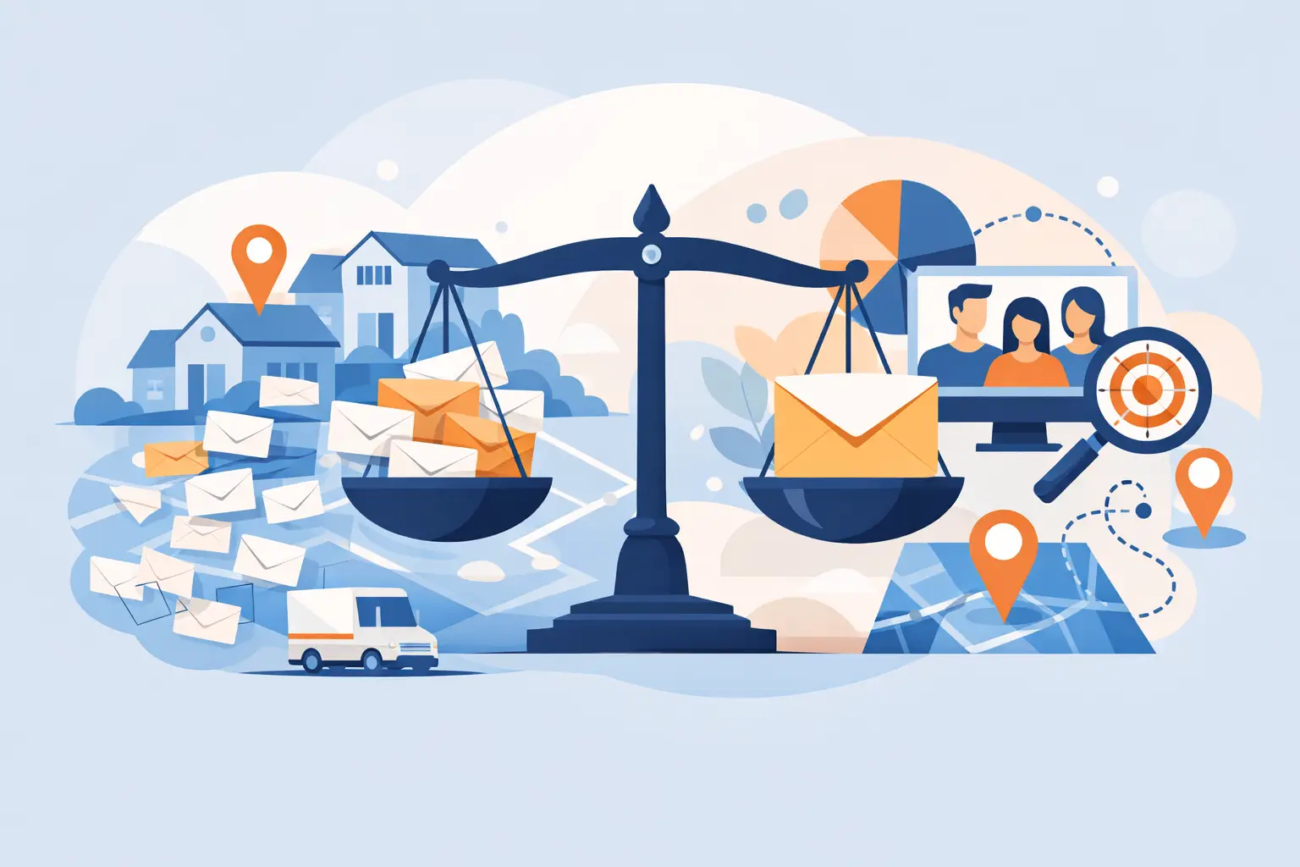
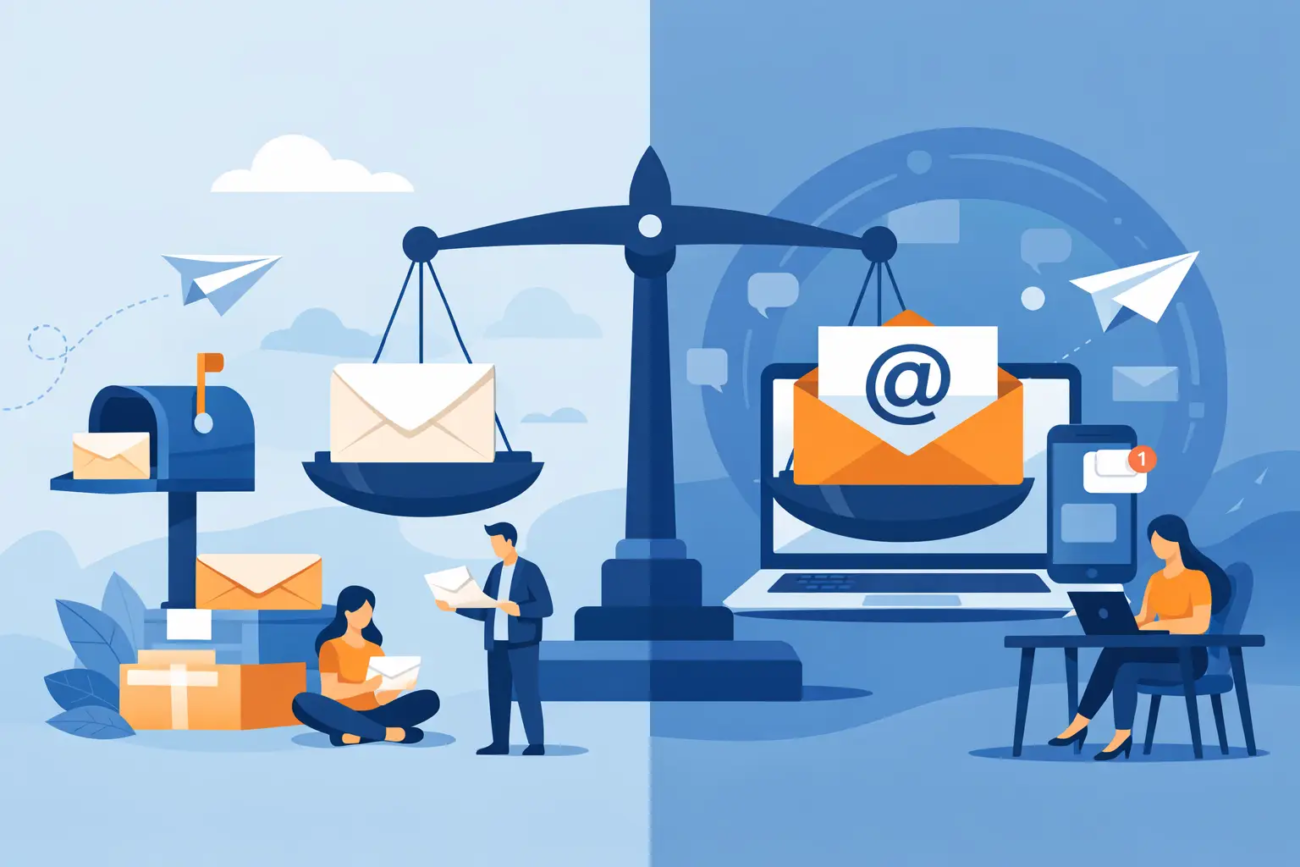
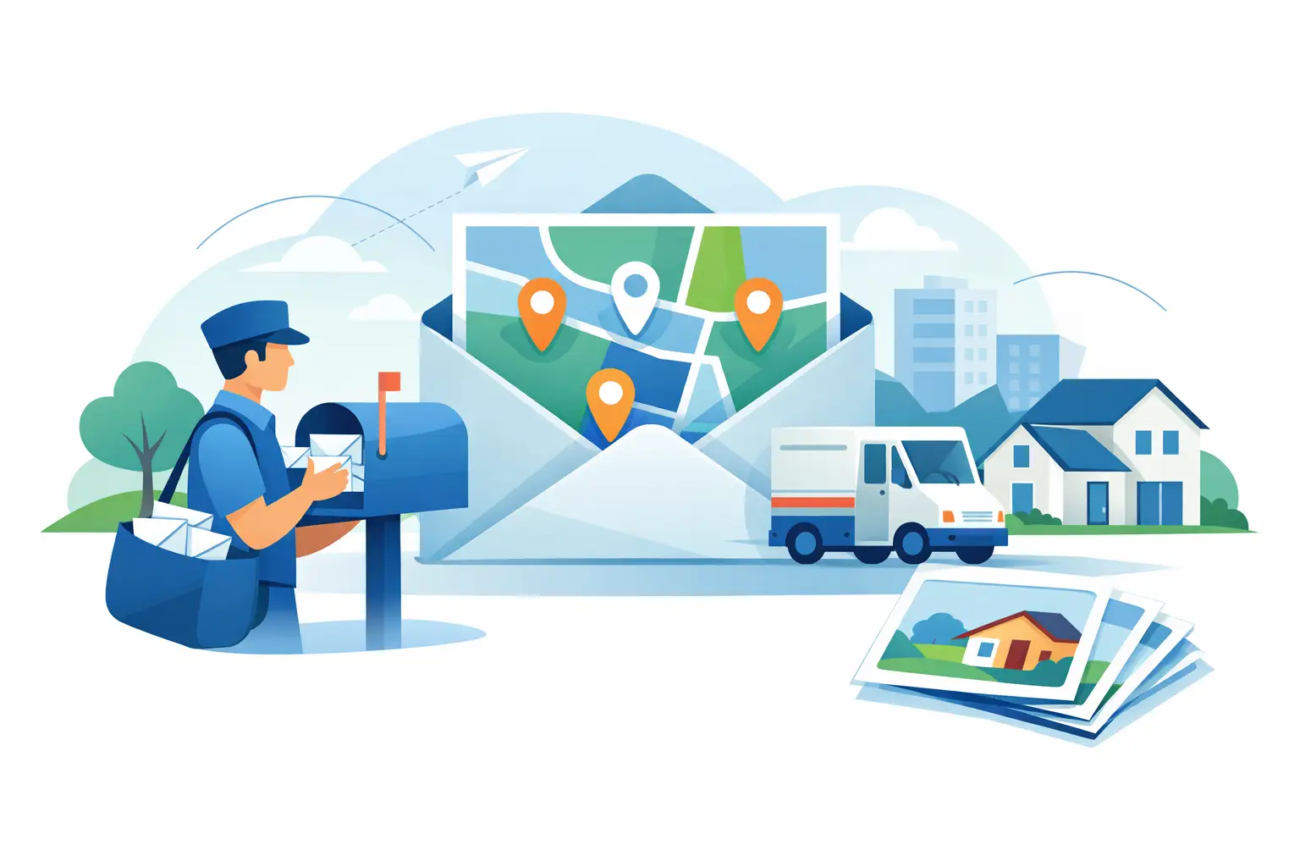
Digital channels get most of the attention, but local lead generation is not purely digital. In many markets, especially for home services, community organizations, retail promotions, events, and B2B outreach, direct mail still earns attention because it is targeted and tangible.
A well-planned mail piece can put your message in specific neighborhoods, zip codes, or business districts with less competition than an email inbox or a crowded search results page. It also works well when paired with digital follow-up. Someone may see your postcard first, then search your business name later. If your website and branding are aligned, that second touch is more likely to convert.
Printed collateral also plays a support role that businesses sometimes undervalue. Brochures, flyers, rack cards, banners, and event signage help reinforce credibility once a prospect has noticed you. If your field team, sales staff, or event presence looks inconsistent, you lose momentum you already paid to create.
Create landing pages that convert local traffic
Traffic without conversion is just activity. Whether leads come from search, mail, email, or social media, the landing page should make the next step obvious.
That means matching the page to the campaign. If the ad mentions a free estimate, the page should lead with that offer. If the mailer promotes a local event or service package, the page should continue the same message and visual identity. Generic homepages often underperform because they ask the visitor to do too much thinking.
Keep the page focused. One offer, one audience, one next step. Add trust signals that matter locally, such as service area references, recent reviews, photos, turnaround expectations, and examples of work. If someone has to hunt for pricing guidance, contact details, or proof that you serve their area, response will drop.
Follow-up is where many local leads are lost
A surprising number of campaigns fail after the lead comes in. Calls go unanswered. Form submissions sit in an inbox. Estimates take too long. Nobody checks back after the first contact.
Speed matters, especially for local service businesses. If a prospect reaches out to three companies, the first one with a clear and professional response often gets the job. That does not mean you need a complicated automation setup, but you do need a reliable process. Assign ownership, set response standards, and make sure leads are not getting stuck between departments.
This is also where having one dependable marketing partner can help. When your print, digital campaigns, landing pages, and promotional materials are managed in one place, it becomes easier to track what is working and adjust quickly instead of coordinating fixes across multiple vendors.
Measure the right outcomes in your local lead generation guide
Not every lead source should be judged the same way. A search ad may generate immediate calls. SEO may build over months. Direct mail may create delayed response and brand lift before measurable inquiries show up. Event marketing may produce fewer leads, but better ones.
Track more than clicks. Look at calls, form fills, quote requests, direction requests, event signups, and closed business. If possible, ask new leads how they found you. Attribution will never be perfect, especially with local campaigns that involve both print and digital exposure, but practical tracking beats guessing.
A good rule is to review performance by channel, by offer, and by geography. You may find that one neighborhood responds better to mail while another converts more from search. You may learn that one service line needs educational content while another just needs faster follow-up.
A practical local lead generation guide for steady growth
The best local lead generation guide is not a collection of disconnected tactics. It is a plan built around your audience, your service area, your offer, and your ability to follow through.
If your business needs consistent local growth, start with the basics that directly affect response: a clear offer, accurate local visibility, focused landing pages, strong branding, and prompt follow-up. Then add the channels that fit your timeline and market, whether that is SEO, paid search, social media, direct mail, signage, or a combination. A company like Fox Tracks can support that full picture, which saves time and keeps execution on schedule.
The businesses that win locally are usually not the loudest. They are the clearest, the most consistent, and the easiest to contact when a customer is ready.