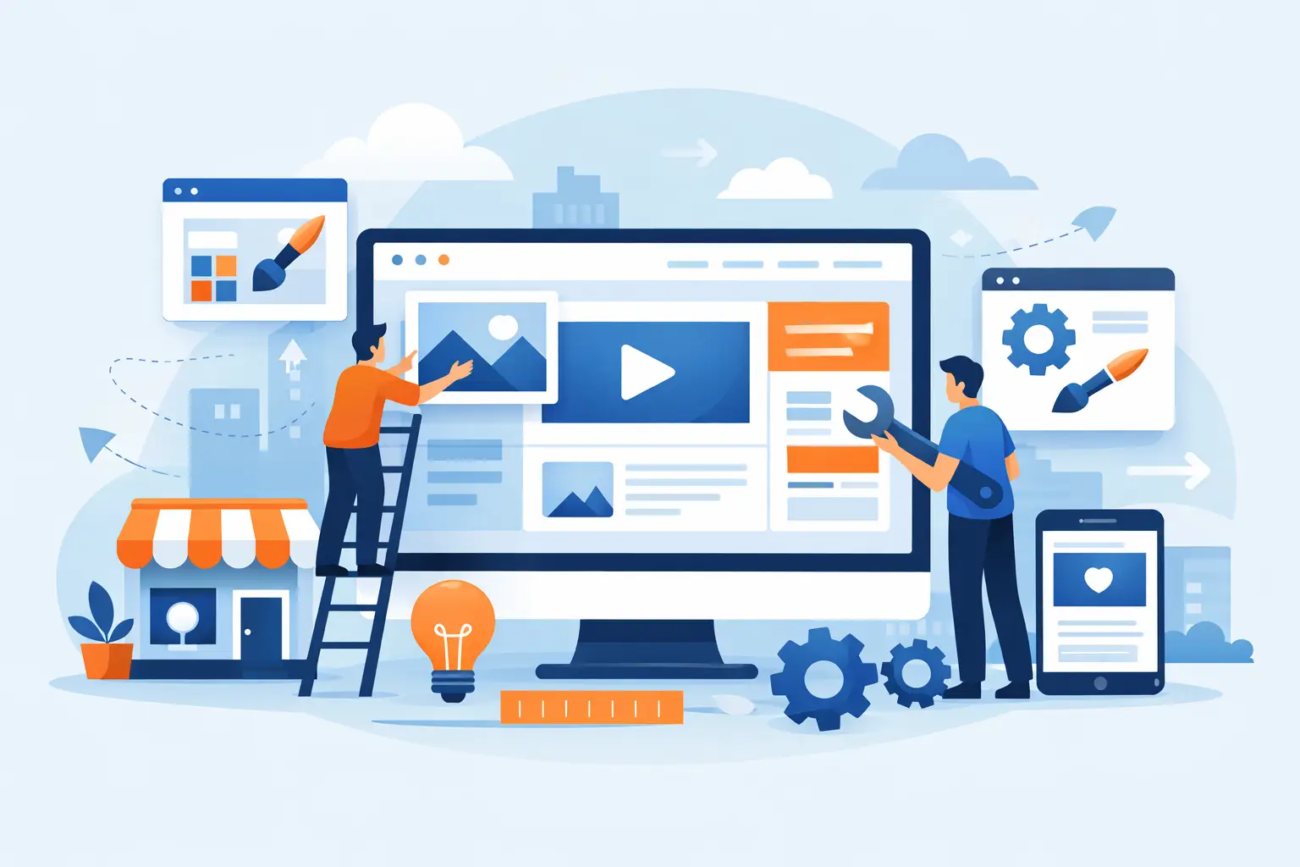

A website that looks polished but fails to generate calls, form fills, or sales is not doing its job. For small and midsize businesses, website design services need to support real business goals – attracting local customers, building trust quickly, and making it easy for people to take the next step.
That sounds simple, but it is where many businesses get stuck. They invest in a site that looks modern, then realize it loads slowly, ranks poorly, confuses visitors, or becomes difficult to update. Good design is not just about appearance. It is about structure, messaging, functionality, and performance working together.
What website design services should actually deliver
Strong website design services start with a practical question: what does this site need to accomplish? For some businesses, the answer is lead generation. For others, it is event registration, member communication, online donations, quote requests, or product sales. The design process should be shaped by those outcomes, not by trends alone.
A business website needs to make a clear first impression. Visitors should understand who you are, what you offer, and why they should trust you within seconds. That means clear navigation, focused messaging, strong visual hierarchy, and calls to action placed where people can actually find them.
It also means building for real-world use. Office managers need sites that are easy to update. Marketing coordinators need landing pages that support campaigns. Association leaders may need calendars, forms, directories, or resource libraries. A site can be visually strong and still miss the mark if it does not support the day-to-day needs of the organization behind it.
Design is only part of the job
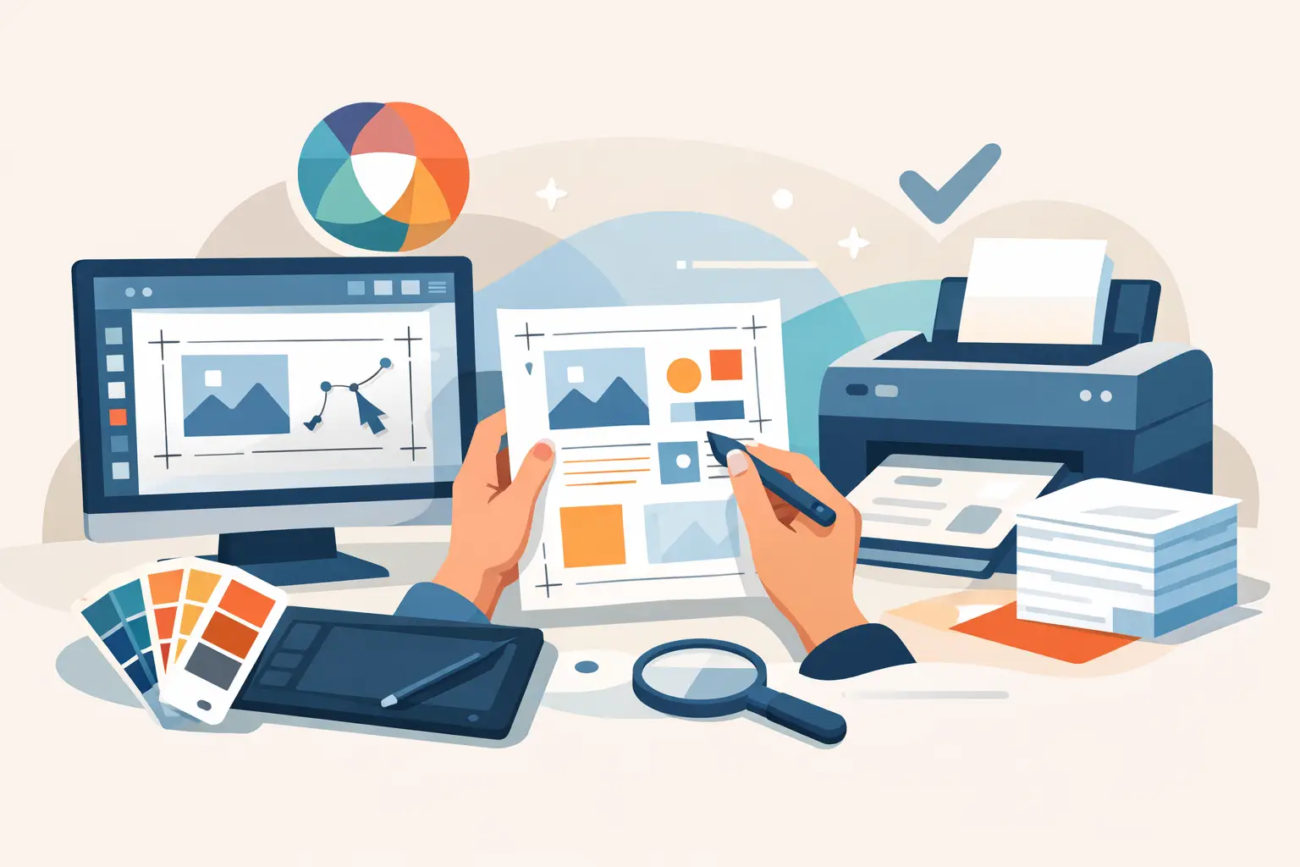
A common mistake is treating web design as a standalone creative project. In practice, your website is tied to everything else in your marketing. It needs to reflect your printed materials, support your email campaigns, connect with your SEO efforts, and give your social media traffic somewhere useful to land.
That is why the best website design services are not isolated. They account for brand consistency, campaign goals, and how customers move between channels. If someone receives a postcard, sees a social ad, or finds your business in search results, the website should continue that experience with consistent messaging and a clear next step.
This is especially important for local businesses and organizations that do not have the time to manage separate vendors for print, creative, digital strategy, and web updates. When those efforts are disconnected, timelines slip and the customer experience becomes uneven. When they are coordinated, marketing works harder.
What matters most on a business website
Every business has different needs, but a few elements consistently make the biggest difference.
Clear messaging above the fold
Your homepage should not force visitors to guess what you do. The headline, supporting copy, and primary call to action need to answer basic questions immediately. If your services are broad, the message should still be simple enough for a first-time visitor to understand.
Clarity beats cleverness here. A smart phrase may sound good in a meeting, but if it does not explain the value you provide, it will not help conversions.
Mobile performance
Most businesses already know their site should be mobile-friendly, but that phrase can hide a lot of problems. A site may technically work on a phone while still being frustrating to use. Buttons may be too small, forms may be awkward, or key information may be buried under oversized graphics.
Good website design services treat mobile as a priority, not an afterthought. That matters for user experience, search visibility, and lead generation.
Speed and technical stability
Slow websites lose attention fast. They also create problems for paid traffic and organic search. Heavy image files, bloated code, unnecessary plugins, and poor hosting choices all chip away at performance.
This is one of the biggest trade-offs in web design. A site can include motion effects, large visuals, and custom features, but every added element should earn its place. Sometimes a simpler build produces better business results because it is faster, easier to maintain, and more reliable.
Search-friendly structure
A good-looking website that no one can find will only go so far. Website design services should support SEO from the start through page structure, internal organization, mobile usability, metadata planning, and content layout.
That does not mean stuffing pages with keywords. It means creating a site that helps search engines understand what you offer and helps users find relevant information without friction.
Conversion paths
A visitor should never have to wonder what to do next. Depending on the business, that next step might be requesting an estimate, scheduling a consultation, making a purchase, downloading a form, or calling the office.
The right conversion path depends on the audience. A nonprofit may need donation buttons and event registration. A service company may need quote forms and location pages. An association may need member resources and renewals. Good design aligns those actions with how people actually use the site.
When custom website design services make sense
Not every business needs a fully custom website. For some, a well-structured template site is the most cost-effective option. It can provide a professional appearance, fast launch timeline, and enough flexibility for essential pages and updates.
Custom design makes more sense when the business has specific functionality needs, a more complex service structure, multiple audience segments, or stronger brand requirements. It is also worth considering if your current site has outgrown a basic framework and now creates more work than it saves.
The question is not whether custom is better in every case. It is whether the website supports your operations, marketing, and growth without becoming expensive to manage.
What to expect from a reliable web partner
Business owners and administrators are not usually looking for a website in isolation. They are looking for a dependable partner who can keep projects moving, communicate clearly, and deliver work that fits the larger marketing picture.
That means the process matters. A reliable provider should ask smart questions about your audience, goals, services, and existing materials. They should identify missing pieces early, explain recommendations in plain language, and keep the project on schedule.
It also helps when the same team can support related needs such as graphic design, landing pages, print collateral, campaign assets, and ongoing updates. That reduces handoff issues and makes it easier to keep branding and messaging consistent. For many organizations, that convenience is not a luxury. It is what allows marketing to get done at all.
Fox Tracks works with businesses and organizations that need exactly that kind of support – practical website solutions backed by responsive service, strong design, and coordinated execution across print and digital marketing.
Signs your current site is holding you back
Sometimes the need for new website design services is obvious. Other times, the problems are quieter but still costly. If your site looks dated, loads slowly, gets traffic but few inquiries, or feels difficult to update, those are not minor annoyances. They can affect credibility, visibility, and sales.
Another warning sign is when your team starts working around the website instead of using it. Maybe staff rely on emailed PDFs because the site is too hard to edit. Maybe campaigns launch without dedicated landing pages because web updates take too long. Maybe printed pieces and digital messaging no longer match. Those gaps usually point to a website that is no longer supporting the business effectively.
A better website should reduce friction
The most valuable outcome of website design services is not just a cleaner look. It is less friction for your audience and your team. Visitors find what they need faster. Staff spend less time patching problems. Campaigns become easier to launch. Brand presentation becomes more consistent. Leads have a clearer path from interest to action.
That is what a business website should do. It should help your organization present itself professionally, operate more efficiently, and convert more of the attention you are already earning.
If your website is overdue for an update, start with the business problem, not the visual trend. A site built around your goals, your audience, and your day-to-day needs will keep working long after design trends change.