A business website should do more than sit online and look polished. It should answer questions, guide visitors toward action, support sales efforts, and give your team a stronger foundation for every campaign you run. That is why website designing and digital marketing services work best when they are planned together instead of handled as separate projects.
For many small to mid-sized businesses, the real challenge is not deciding whether they need a better website or stronger marketing. It is finding a practical way to manage both without chasing multiple vendors, repeating the same brand details, or losing time when deadlines matter. A coordinated approach solves that problem. When web design, SEO, email, social media, print, and campaign support are aligned, the work gets done faster and the results are easier to measure.
Why website designing and digital marketing services belong together
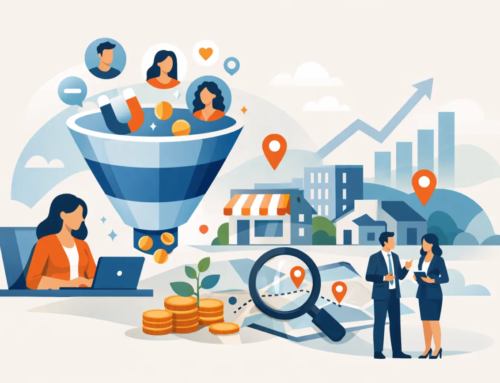
A website is often the first place a customer checks before calling, visiting, or making a purchase decision. But traffic does not appear on its own. Search visibility, paid ads, social posts, email campaigns, and direct outreach all play a role in getting people there. If those efforts are disconnected, the customer experience feels uneven.
A well-built site supports marketing from the start. It gives paid ads a destination that matches the message. It gives SEO a structure that search engines can read. It gives email marketing a place to send prospects where they can learn more, request an estimate, register for an event, or make contact. It also gives your sales team a professional destination to share with confidence.
The reverse is true as well. Marketing improves web performance because it brings qualified visitors, tests messaging, and shows what people actually respond to. If a service page gets traffic but no inquiries, that is useful data. If an ad campaign reveals which offer generates calls, your site can be updated to reflect it. This is where integration matters. Design without marketing can look good and still underperform. Marketing without a solid site can waste budget.
What businesses should expect from website designing and digital marketing services
A practical service package starts with business goals, not design trends. Some organizations need lead generation. Others need event promotion, local visibility, online credibility, or a better way to support printed sales materials with digital follow-up. The right plan depends on how your business earns attention and converts it into revenue.
On the web design side, that usually means clean navigation, mobile-friendly layouts, clear service pages, contact forms that work, and messaging that reflects what makes the business dependable. It may also include ADA accessibility improvements, landing pages for specific campaigns, and updates that make it easier for staff to maintain the site over time.
On the marketing side, the most useful services are the ones tied directly to outcomes. SEO helps local prospects find your business when they are already searching. Google Ads can generate leads more quickly but require tighter management and budget discipline. Social media builds visibility and supports brand consistency, though it often works best as part of a broader strategy rather than as a stand-alone lead source. Email marketing helps nurture existing contacts, especially for associations, recurring events, and service businesses with longer buying cycles.
There is no single channel that fits every organization. That is the trade-off many businesses overlook. A contractor may benefit more from local SEO and review-focused website content than from daily social posting. An association may get better results from email campaigns, registration pages, printed event materials, and targeted landing pages. A retail or event-driven business may need signage, flyers, social promotion, and paid ads working together on a short timeline.
How integrated execution saves time and money
One of the biggest hidden costs in marketing is fragmentation. When one vendor handles the website, another manages ads, another designs brochures, and someone else produces event signage, the business ends up acting as the project manager. That creates delays, mixed messaging, and avoidable rework.
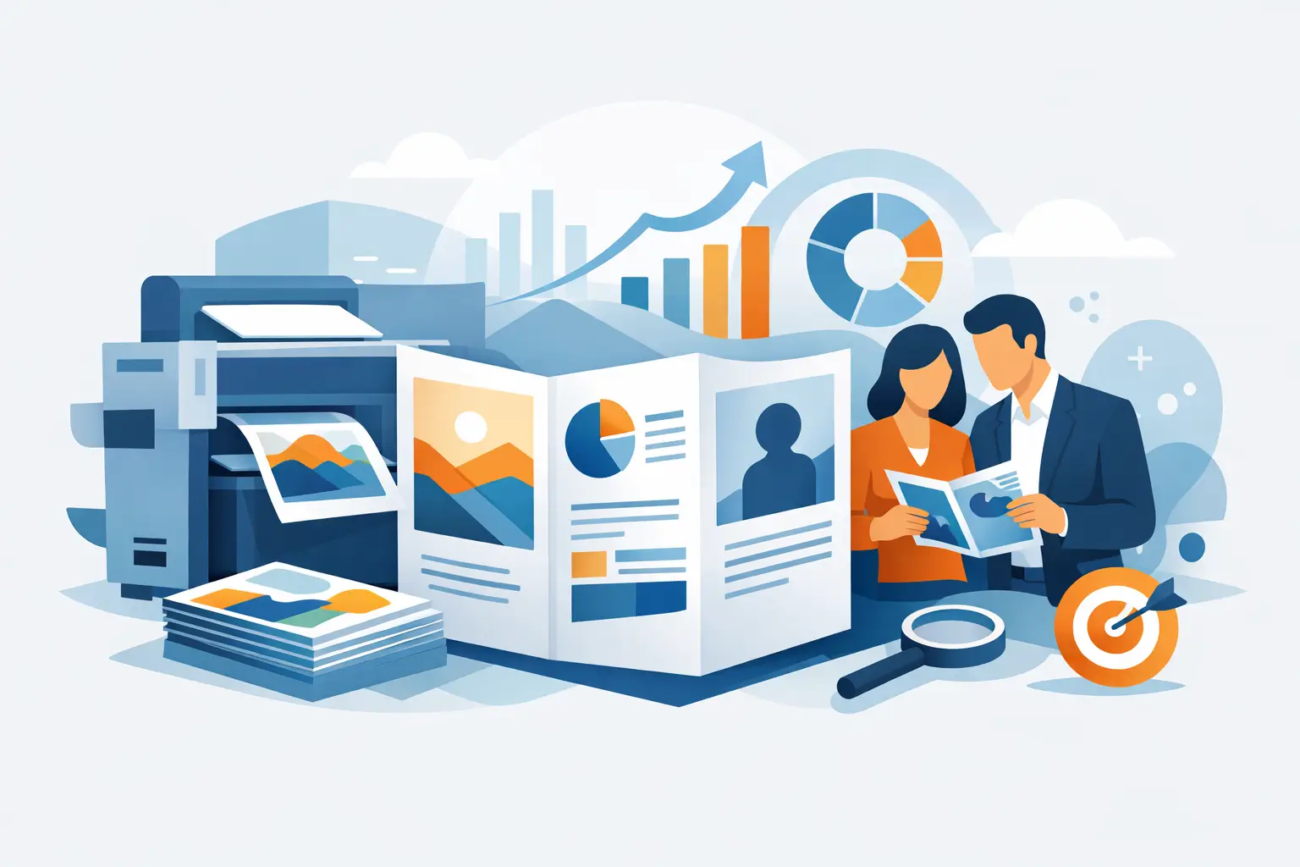
Integrated website designing and digital marketing services reduce that friction. Brand standards stay consistent across print and digital materials. Campaign timelines are easier to manage because the same team can coordinate landing pages, social graphics, direct mail pieces, email announcements, and promotional materials. If an event date changes or a service offer needs updating, adjustments can happen quickly across every channel.
This is especially useful for businesses with lean internal teams. Office managers, administrators, and marketing coordinators often do not need five separate specialists. They need one dependable partner who can respond fast, provide a clear estimate, and keep the work moving. That kind of support is not just convenient. It protects deadlines and helps campaigns launch on schedule.
What to look for in a provider
A good provider should be able to explain not only what they offer, but how those services connect. If a team builds websites but cannot discuss traffic sources, lead tracking, or content strategy, you may end up with a site that looks current but does not produce much value. If they run marketing campaigns but do not understand site speed, page structure, or conversion paths, your leads may drop off before making contact.
Look for a partner that asks practical questions. Who is the audience? What action should visitors take? Which services generate the best margins? What materials do sales teams need? Are you promoting year-round services, seasonal offers, or specific events? Those questions lead to better execution than generic recommendations.
Reliability matters just as much as strategy. Businesses need responsive communication, realistic timelines, and a team that can produce what was promised. In many cases, affordability is not about choosing the lowest quote. It is about choosing the option that avoids delays, duplicate work, and preventable mistakes.
Fox Tracks serves this need well because the work does not stop at ideas. The value comes from being able to design, print, market, and deliver under one roof with the kind of speed local organizations and growing businesses actually need.
Common mistakes that weaken results
One common mistake is treating the website like a one-time project. A site should be updated as services evolve, campaigns change, and customer questions become clearer. Even a strong launch will lose value if the content becomes outdated or if no one is monitoring what pages are performing.
Another mistake is chasing every channel at once. More activity does not always mean better results. If the budget is limited, it is often smarter to focus on the channels most likely to drive action, then expand once the basics are working. A strong service page, local SEO plan, and follow-up email process can outperform a scattered marketing mix.
Businesses also run into trouble when branding is inconsistent. If your print materials look established but your website feels outdated, or your ads promise one thing while your landing page says another, trust drops quickly. Customers notice those gaps.
A better way to plan your next move
If your website is outdated, your marketing is spread across too many vendors, or your team is constantly scrambling to produce materials on deadline, it may be time to simplify the process. Start by identifying what the business needs most right now. That could be more qualified leads, stronger local visibility, better event promotion, or a more professional online presence that supports sales conversations.
From there, build around the essentials. Make sure your website is clear, fast, mobile-friendly, and aligned with your brand. Pair it with marketing services that match your goals, not someone else’s checklist. For some businesses, that means SEO and landing pages. For others, it includes email, social media support, print collateral, direct mail, or signage that reinforces the same campaign.
The best marketing systems are not the most complicated ones. They are the ones your business can sustain, measure, and trust. When your website and marketing are built to support each other, every campaign has a better chance to perform, and every deadline becomes easier to meet. That gives your business something more useful than extra noise – it gives you momentum.