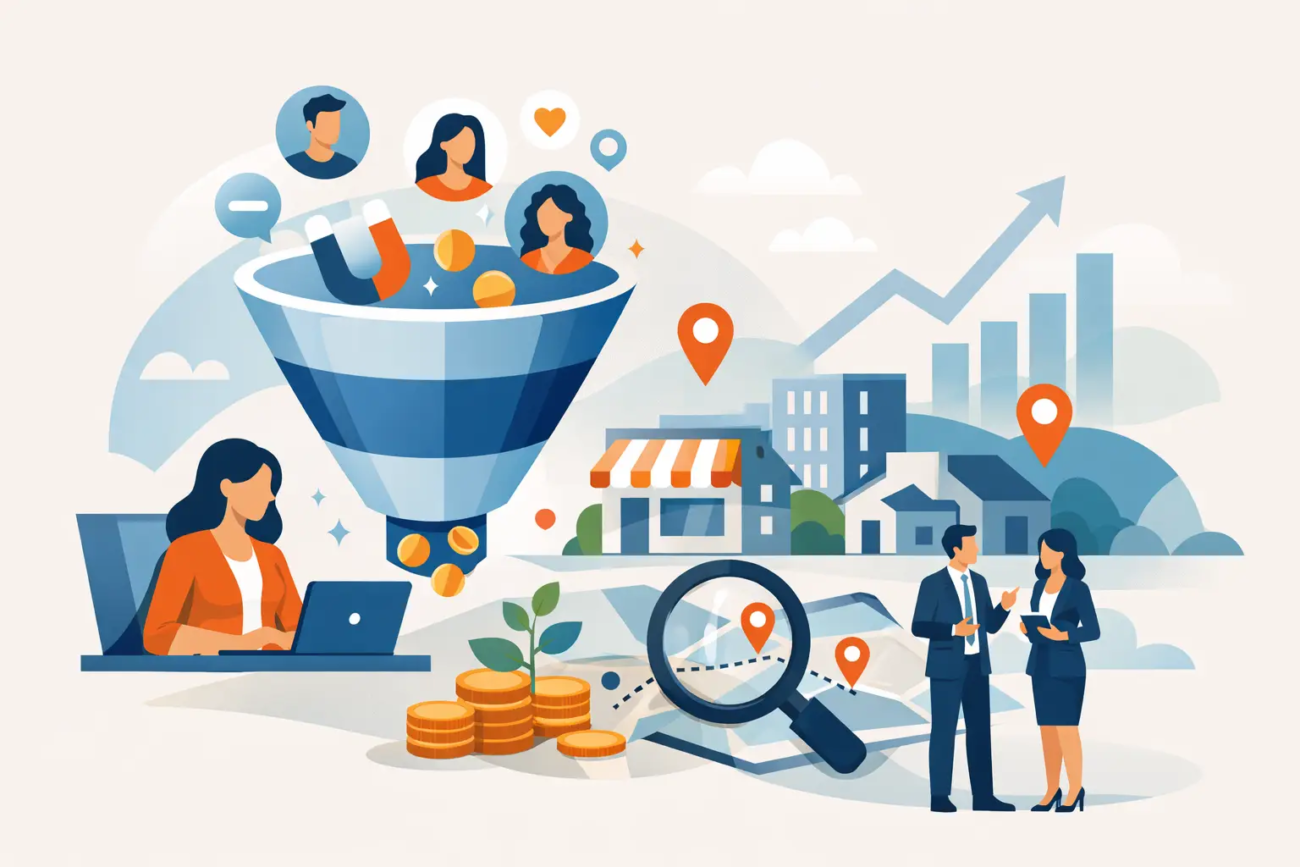
A local business does not always need a giant ad budget to get noticed. Sometimes it needs a clear offer, a defined neighborhood, and a message that shows up in the mailbox. That is why every door direct mail for small business remains a practical option for companies that want broad local reach without paying for a purchased mailing list.
For small and mid-sized organizations, this approach works best when the goal is simple: get in front of nearby homes, build awareness, and create steady response in a specific service area. It is especially useful for restaurants, retail shops, home service companies, dental offices, gyms, churches, event venues, and community organizations that depend on local traffic.
What every door direct mail for small business actually means
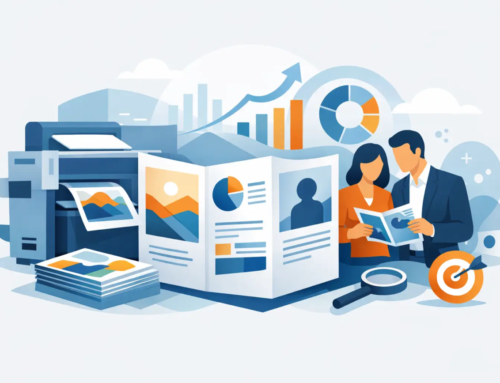
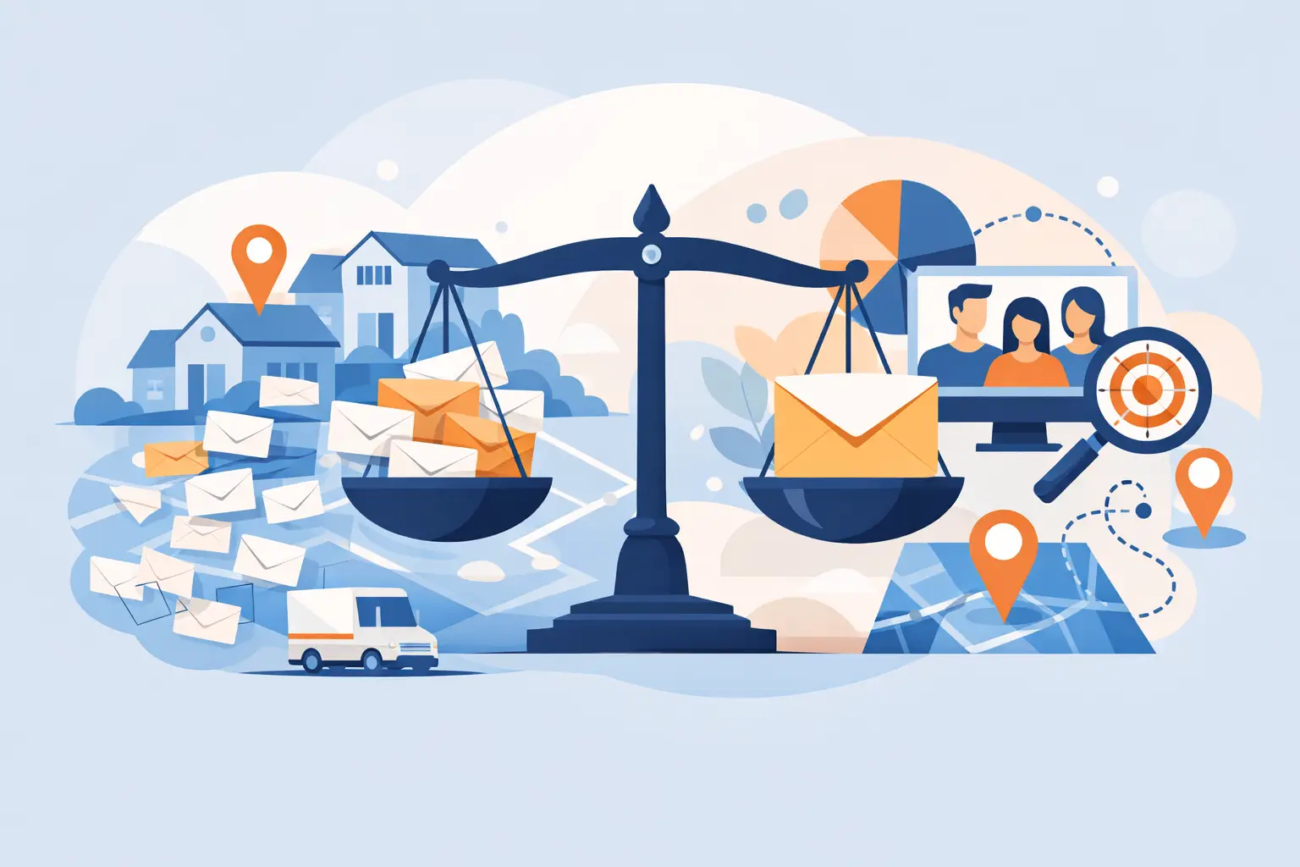
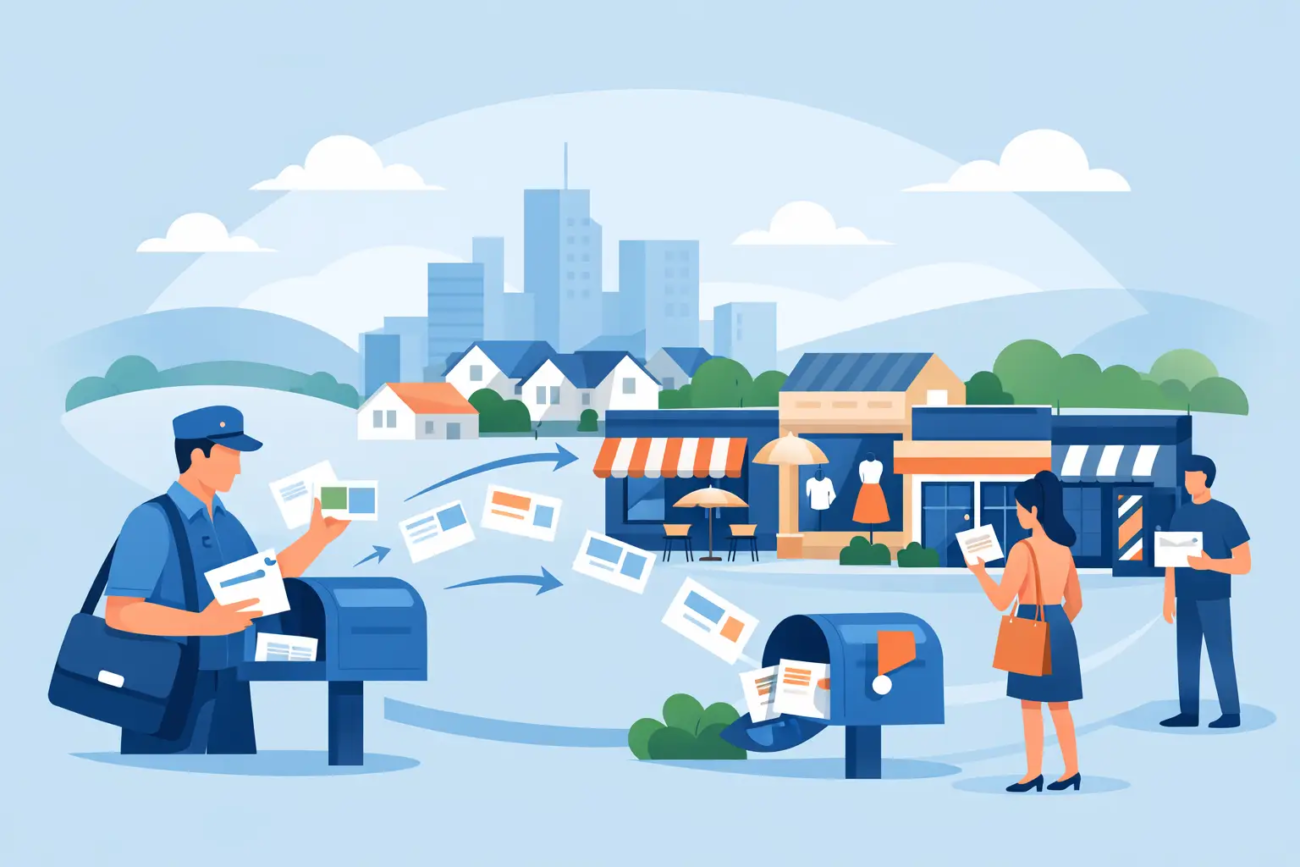
Every Door Direct Mail, often called EDDM, is a USPS service that lets you deliver a mail piece to every household on selected carrier routes. Instead of mailing to a named list, you choose the neighborhoods you want to reach and send your postcard, flyer, or oversized mailer to every address on that route that qualifies for delivery.
That changes the strategy. You are not trying to personalize the message to one person. You are trying to put a strong local offer in front of many people in a defined area. For the right business, that can be more valuable than narrow targeting, especially when your best customers live within a few miles of your location.
It also simplifies the process. You do not have to buy a list, clean the data, or worry about outdated names. You focus on geography, timing, design, printing, and the offer itself.
Why small businesses still use EDDM
Digital marketing gets a lot of attention, but physical mail still has one major advantage: it is tangible. A postcard on the kitchen counter can stay visible for days. A local offer seen online for two seconds may be forgotten just as quickly.
For small businesses, the appeal usually comes down to cost control and coverage. EDDM can be an affordable way to blanket a neighborhood, promote a grand opening, announce a seasonal service, or support an event. If your business depends on proximity, broad neighborhood delivery often makes more sense than chasing impressions outside your trade area.
There is another benefit that business owners appreciate: predictability. You can choose the routes, calculate the quantity, control the format, and plan around a realistic budget. When you need marketing support that is dependable and deadline-driven, that matters.
When every door direct mail for small business is the right fit
EDDM is not the answer for every campaign. If you need to target a narrow buyer profile by job title, income level, or purchase history, a traditional targeted mailing list may be more effective. If you sell highly specialized B2B services, broad residential coverage may waste budget.
But if your audience is local and your offer has wide relevance, EDDM can be a strong fit. Think pizza delivery, roofing, HVAC, landscaping, urgent care, pet services, child care, tutoring, banks, insurance agencies, and community events. In these cases, reaching every household in a selected area is often the point.
The best test is simple: if someone receiving your mail piece can realistically become a customer because of location alone, EDDM deserves a look.
The real strengths and trade-offs
The biggest strength is reach. You can saturate a local area quickly, which helps with visibility and repetition. That can be valuable for newer businesses that need awareness or established businesses that want to stay top of mind.
The second strength is efficiency. Without list purchase costs and list maintenance, the campaign can move faster. Production and mailing become more straightforward, which helps when timing matters.
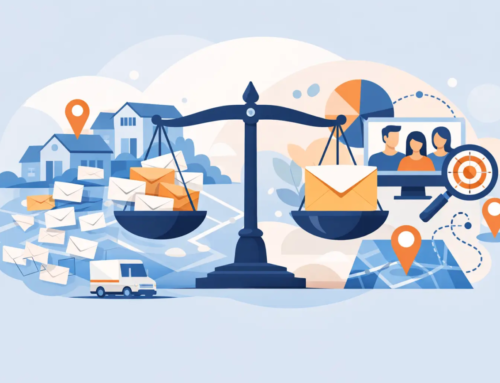
The trade-off is precision. You are targeting routes, not individuals. Some households will not be a fit, and that is part of the model. Your return depends on whether the route selection and offer are strong enough to produce response despite that broader delivery.
Creative also matters more than many businesses expect. Because you are reaching a general audience, your message needs to be instantly clear. If the design is cluttered or the offer is weak, wide distribution will not save it.
How to plan a campaign that performs
A successful EDDM campaign starts before the design phase. The first question is not what the postcard should look like. The first question is what action you want the recipient to take. Call for an estimate, bring in the card, scan a code, visit a landing page, or claim a limited-time offer. If the action is vague, the response will be too.
Next comes route selection. This is where local knowledge matters. A business owner may assume the closest routes are always best, but that is not always true. Service businesses often do well in neighborhoods with older housing stock. Family-focused businesses may prioritize routes with more households and children. Higher-ticket services may align better with specific property values or homeownership patterns. Geography is simple on the surface, but choosing the right routes is strategic.
Then you match the format to the goal. Postcards are common because they are cost-effective and easy to scan. Larger formats can stand out more in the mailbox, but they raise production costs. Flyers can work for menus, event promotions, or service menus when you need more space. The right choice depends on budget, message complexity, and how much visual impact you need.
Design and messaging that get attention
Good direct mail does not try to say everything. It says the right thing fast. The headline should make the offer clear. The body copy should explain the value in plain language. The call to action should be obvious.
For small business mailers, this usually means focusing on one of three angles: save money, solve a local problem, or create urgency around an event or offer. A restaurant may promote a neighborhood special. A roofing company may highlight free inspections after a storm. A nonprofit may invite the community to a fundraiser with a clear date and purpose.
Visual hierarchy matters. People decide in seconds whether to keep reading. Use a clean layout, strong branding, and one main image or focal point. Too much text can make even a good offer feel hard to process.
And do not overlook credibility. Include the business name, contact details, service area, and a reason to trust you. Years in business, fast turnaround, local ownership, or a strong guarantee can all help. For many small businesses, the best mail pieces feel direct, reliable, and easy to act on.
How to measure results without overcomplicating it
Some business owners avoid direct mail because they assume it is hard to track. It does take planning, but it is very manageable. The easiest methods are unique phone numbers, offer codes, landing pages, QR codes, or asking customers how they heard about you.
The key is consistency. If you are going to test EDDM, define success before the mail drops. Are you measuring calls, appointments, in-store traffic, coupon redemptions, or web visits? Without that baseline, it is hard to tell whether the campaign worked.
It also helps to view results in context. One mailing may generate immediate response, but repeated local visibility often improves performance over time. Mail can support brand familiarity in a way that is not always captured by last-click thinking. Someone may receive the postcard, search for your business later, and convert through another channel.
Why integration usually improves response
Direct mail works better when it is not operating alone. A postcard can drive stronger results when the same message appears on a landing page, in social media ads, on in-store signage, or through follow-up email. That is where many businesses gain an advantage by working with a partner that can handle both print and digital execution.
A coordinated campaign is easier to manage and more consistent for the customer. If your mail piece promotes a seasonal offer, your website and digital presence should reflect that same promotion. If the postcard sends someone to a landing page, the page needs to match the look and message of the mailer. That kind of alignment builds trust and reduces drop-off.
For businesses that need speed and accountability, having strategy, design, print, and campaign support under one roof can remove a lot of friction. Fox Tracks helps businesses manage that process without juggling multiple vendors or risking missed deadlines.
Common mistakes to avoid
The most common mistake is sending to the wrong area because it seems convenient instead of choosing routes based on business goals. The second is a weak offer. Awareness matters, but even an awareness campaign needs a clear reason to care.
Another issue is trying to cram too much into the piece. A crowded mailer often says less, not more. And many businesses make the timing mistake of mailing once and expecting long-term impact. Some offers do perform on a single drop, but many local campaigns improve with repetition and seasonal planning.
If you want better odds of success, treat EDDM like a real campaign, not just a print job. The route, message, format, timing, and follow-up all shape the result.
Local marketing tends to work best when it is practical, visible, and consistent. If your business serves a defined community and you need an affordable way to stay in front of nearby households, EDDM is worth serious consideration. The right piece in the right mailbox can still do exactly what good marketing is supposed to do – get attention, create response, and keep your business moving forward.