A business can spend money on ads, social media, email campaigns, and printed promotions, but if the website is weak, all that effort loses momentum. That is why understanding what is website in digital marketing matters for any organization trying to grow, generate leads, or maintain a professional presence.
In digital marketing, a website is not just an online brochure. It is the central hub where your marketing activity comes together. It gives people a place to learn about your business, evaluate your credibility, take action, and decide whether they want to contact you, buy from you, attend your event, or request a quote. For many small and mid-sized businesses, it is the most important marketing asset they own.
What Is Website in Digital Marketing?
The simplest answer is this: a website in digital marketing is the online destination that supports visibility, trust, and conversion. It is where prospects land after clicking an ad, finding you in search results, opening an email, or scanning a QR code on a postcard or brochure.
That matters because marketing rarely works as a single touchpoint. A person might hear about your company from a mailer, search your name on Google, browse your services on your website, and only then decide to call. Your website helps connect those steps. It turns interest into action.
A website also gives you more control than most third-party platforms. Social media pages, directory listings, and marketplace profiles can support your visibility, but you do not fully own those channels. Algorithms change. Layouts change. Policies change. Your website is the one digital property that belongs to your business and can be built around your goals.
Why a Website Matters in Digital Marketing
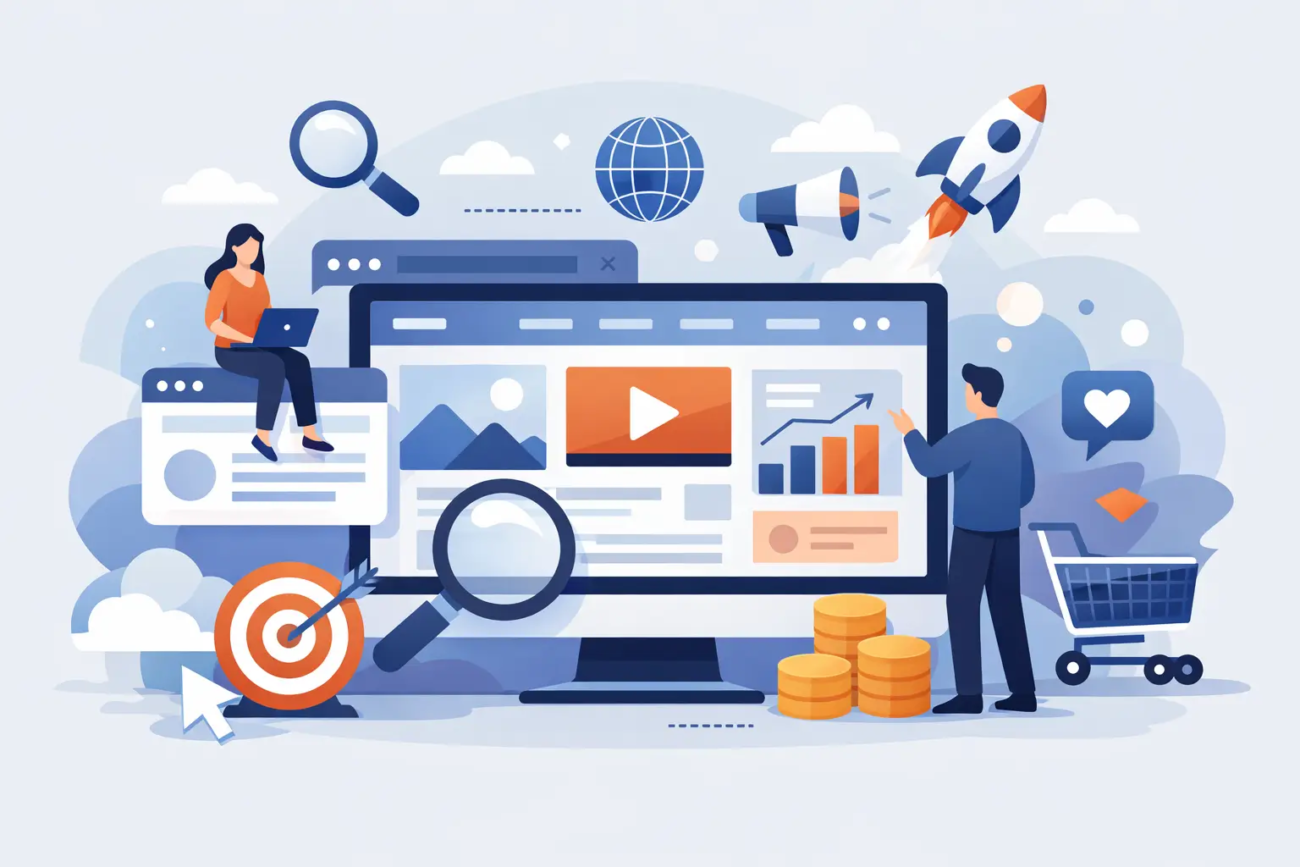
A good website supports almost every major marketing function. It helps with lead generation because it gives visitors a clear next step, whether that is filling out a form, making a call, booking an appointment, or requesting an estimate. It supports SEO because search engines need quality pages to index and rank. It reinforces branding because it shows your visuals, messaging, offers, and positioning in one place.
It also helps your business look established. When people compare vendors, service providers, or local organizations, they often judge credibility quickly. An outdated site, missing contact information, or confusing layout can create doubt. A clear, current, professionally built site sends a different message – that your business is active, organized, and ready to serve.
There is also a practical side. Your website can answer common questions before your team has to. That saves time for office staff and sales teams. Service descriptions, FAQs, pricing ranges, event details, and contact options all help reduce friction.
A Website Is More Than Design
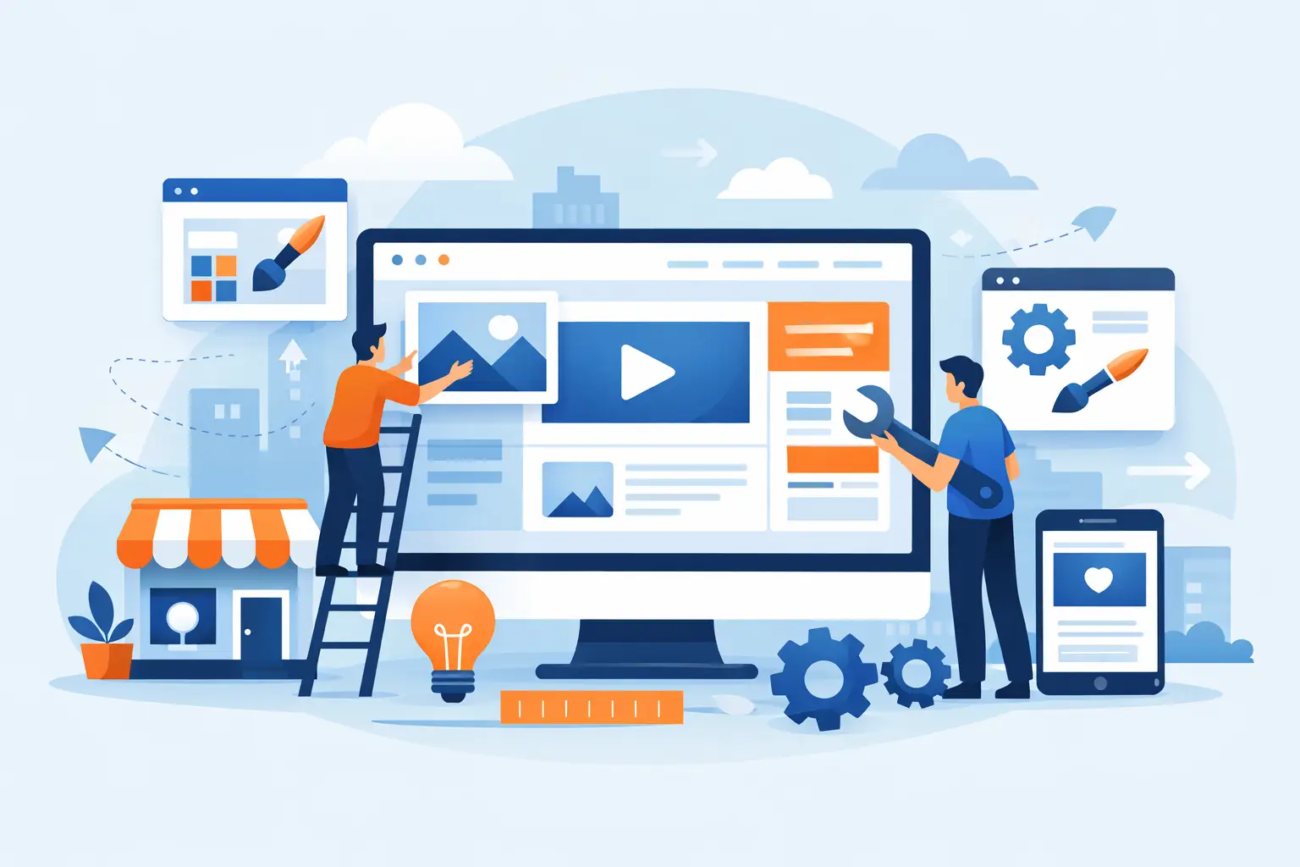
Some business owners think of a website as a design project. Design matters, but digital marketing performance depends on more than appearance.
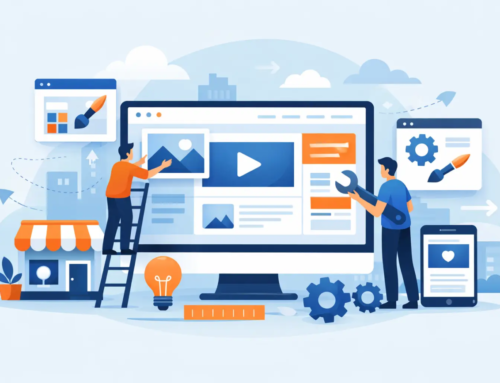
A marketing website needs structure, messaging, speed, mobile usability, search visibility, and strong calls to action. It should guide visitors toward a business goal. That could mean quote requests, donations, registrations, foot traffic, phone calls, online purchases, or newsletter signups.
This is where many websites fall short. They may look fine but fail to support conversion. For example, a site can have attractive graphics and still perform poorly if users cannot find service pages, if forms are too long, or if the site is hard to use on a phone. In digital marketing, results come from function as much as form.
How a Website Fits Into the Marketing Funnel
Your website works at multiple stages of the buying journey.
At the awareness stage, it helps new visitors discover your business through search engines, local listings, ads, and social content. At the consideration stage, it gives them the information they need to compare options. At the decision stage, it should make the next step easy and obvious.
That means different pages can serve different purposes. A homepage may introduce the brand and point visitors in the right direction. Service pages explain what you offer. Landing pages support specific campaigns. Contact pages remove barriers to reaching your team. Blog content can help answer questions and improve organic search visibility.
If all of those pieces are aligned, the website becomes a working sales tool instead of a static online placeholder.
What Makes a Website Effective in Digital Marketing?
An effective website is built around business goals and customer behavior. It should be easy to navigate, load quickly, and work well on mobile devices. It should also use clear language. Visitors should understand what you do, who you serve, and how to take the next step within seconds.
Strong websites usually share a few traits. They have focused messaging, consistent branding, visible contact options, and pages written for real user intent. They also support measurement. If you cannot track calls, form submissions, traffic sources, and page performance, it becomes harder to improve results.
There is always some level of trade-off. A small brochure-style website may be enough for a business with a simple local service model. A larger company, association, or event-driven organization may need more content, stronger SEO targeting, multiple conversion paths, and regular updates. The right website depends on what your business is trying to accomplish.
What Is Website in Digital Marketing for SEO?
When people ask what is website in digital marketing, SEO is a big part of the answer. Search engine optimization depends on the quality and structure of your website. Search engines need relevant pages, helpful content, strong technical setup, and a good user experience to understand and rank your business.
If someone searches for a local service, an event resource, or a product category, your website is often what appears in search results. Without a solid site, your visibility is limited. Even if your business has a strong reputation offline, online search behavior still shapes who finds you first.
SEO is not just about adding keywords. It involves page structure, metadata, mobile usability, page speed, content depth, local relevance, and internal organization. A website gives you the foundation for all of that. Without it, your digital marketing has less reach and less staying power.
Websites and Paid Campaigns
A website also plays a direct role in paid advertising. Whether you are running Google Ads, paid social campaigns, or display ads, your landing experience affects results. A strong ad can bring the click, but the website determines what happens next.
If a visitor lands on a generic page that does not match the ad message, conversion rates often drop. If the page is focused, fast, and action-oriented, the campaign performs better. This is why businesses that invest in advertising need to think beyond the ad itself. The website is part of the campaign.
The same applies to offline marketing. Direct mail, signage, business cards, and event materials often send people online. In that sense, print and digital do not compete. They support each other. A website gives every other marketing piece somewhere to send interested prospects.
Common Website Mistakes That Hurt Marketing
One common issue is treating the website like a one-time project. Businesses launch a site and leave it untouched for years. Services change, staff changes, event schedules change, and customer expectations change. An outdated website sends the wrong signal and can quietly reduce lead flow.
Another issue is unclear messaging. If visitors cannot immediately tell what your business does or who it helps, they are likely to leave. Too much jargon, too little detail, or buried calls to action all create friction.
A third problem is poor integration. Your website should work with your SEO efforts, email campaigns, direct mail offers, social content, and analytics. When those pieces are disconnected, marketing becomes harder to manage and harder to measure.
The Real Business Value of a Website
The real value of a website in digital marketing is not simply that it exists. The value comes from what it helps your business do consistently. It can attract qualified traffic, support lead generation, reinforce credibility, improve campaign performance, and give your team a dependable platform for growth.
For organizations that do not have a large in-house marketing department, that reliability matters. A well-built website gives structure to your outreach and helps every campaign work harder. It also creates efficiency. Instead of reinventing your message across different channels, your website becomes the place where your services, offers, and brand standards are organized and ready to support sales.
That is why businesses often get better results when web strategy is tied to the rest of their marketing, not handled in isolation. Companies like Fox Tracks see this every day. When websites, print materials, search visibility, and campaign execution work together, businesses save time and present a stronger, more consistent brand.
If you are asking whether your website really matters in digital marketing, the better question is whether your current site is helping your marketing convert attention into action. A website should do more than sit online. It should carry its share of the workload every single day.