A business owner asks for a better website. Two weeks later, the real issue turns out to be weak traffic, poor follow-up, or no clear campaign strategy. That is why the question of web designing vs digital marketing matters. They support each other, but they solve different problems, and choosing the wrong priority can waste time, budget, and momentum.
For small to mid-sized businesses, this decision is rarely academic. It affects whether you invest first in a site rebuild, search visibility, paid ads, email campaigns, landing pages, or content updates. If you need leads, event registrations, calls, or local visibility, the right answer depends on where your current bottleneck is.
Web designing vs digital marketing: what is the difference?
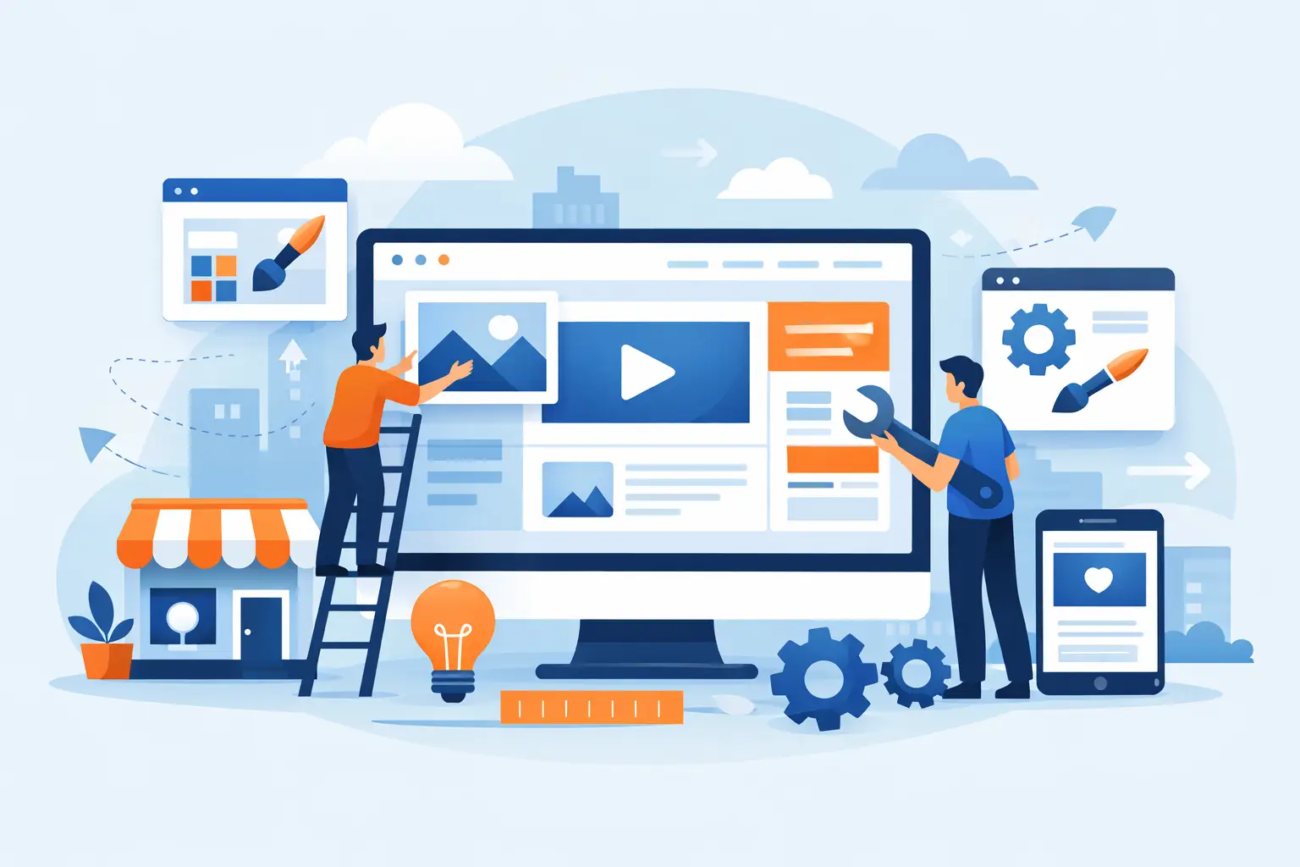
Web design focuses on how your website looks, works, and guides visitors. It covers layout, branding, navigation, mobile responsiveness, page speed, usability, and the overall user experience. A strong website should make your business look credible and make it easy for someone to take the next step.
Digital marketing is broader. It is the work of getting attention, bringing in traffic, nurturing interest, and turning prospects into customers. That can include SEO, Google Ads, social media management, email marketing, content strategy, retargeting, and campaign reporting.
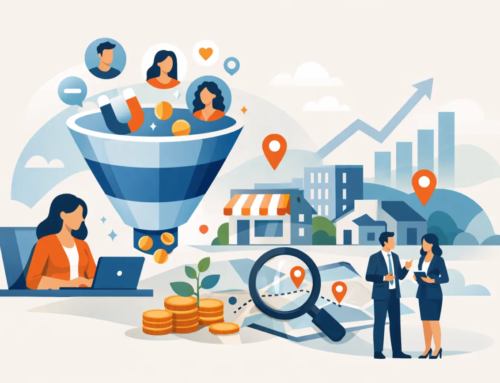
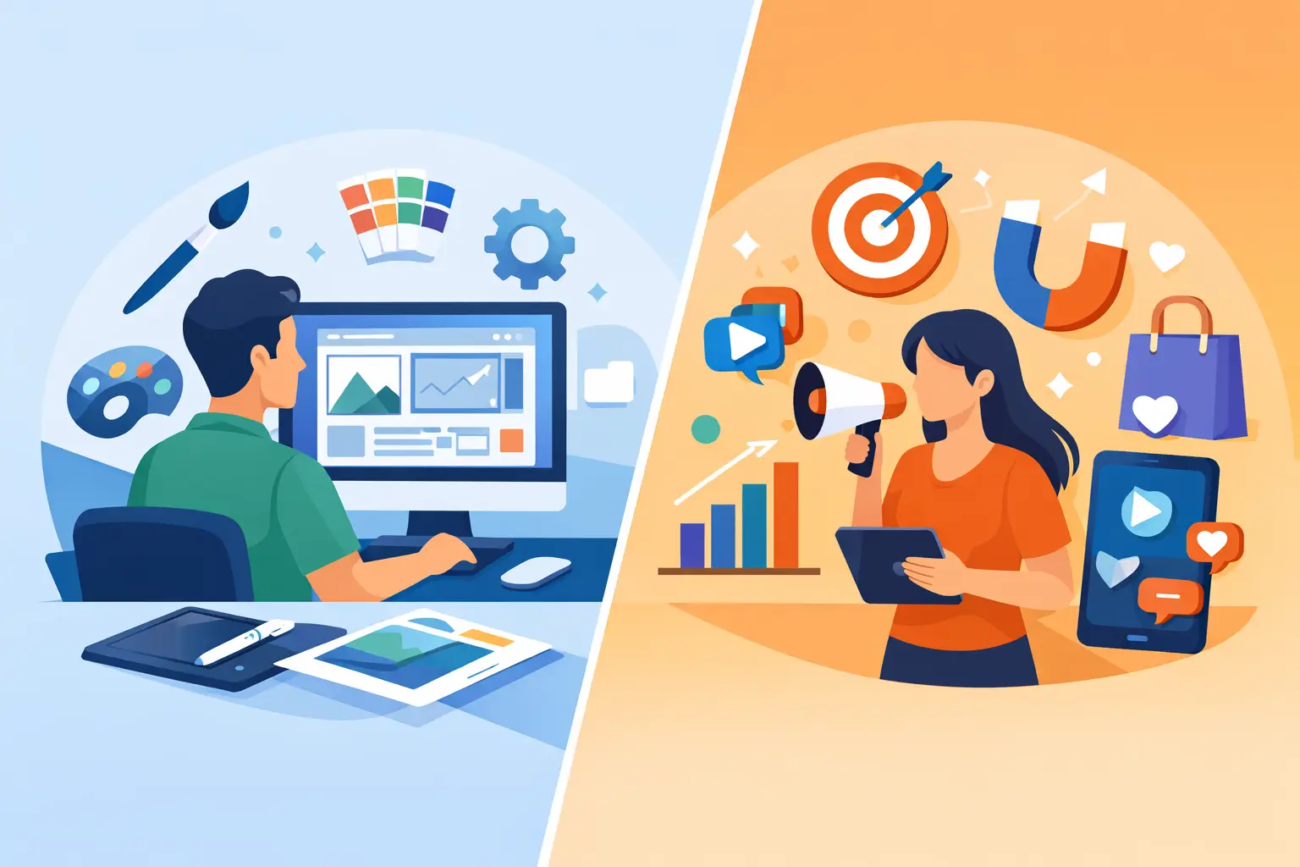
A simple way to separate the two is this: web design builds the destination, while digital marketing drives people there and gives them reasons to act. One shapes the experience on your site. The other creates demand and movement around it.
That said, the line is not always clean. A landing page built for paid ads sits in both worlds. SEO affects site structure. Conversion-focused design affects campaign performance. So while these are different disciplines, they work best when planned together.
When web design should come first
Sometimes the website is the problem, plain and simple. If your site looks outdated, loads slowly, breaks on mobile, has confusing navigation, or makes contact forms hard to find, marketing will have limited impact. You can buy traffic, but you cannot force trust.
This is especially true for local service businesses, associations, and event-driven organizations. People often visit your site to validate that you are legitimate before they call, register, donate, or request an estimate. If the site feels neglected, they may leave before reading a word.
Web design should usually come first if your business has any of these issues: your brand presentation is inconsistent, your pages are difficult to update, your calls to action are buried, or your site does not reflect your current services. A redesign can also be the right move when your business has changed direction and the site no longer matches how you sell.
Still, design-first does not always mean a full rebuild. In many cases, targeted improvements are enough. Better homepage messaging, cleaner service pages, stronger forms, and mobile fixes can move results faster than a large redesign project.
When digital marketing should come first
Other times, the website is acceptable, but nobody is seeing it. That is where digital marketing becomes the priority. If your site is professional, functional, and reasonably clear, your main problem may be visibility rather than design.
A business with low search rankings, weak local presence, inconsistent social activity, or no email follow-up will struggle even with a polished website. Digital marketing addresses those gaps by helping your audience find you, remember you, and respond.
This matters for companies that depend on ongoing lead flow, seasonal promotions, events, membership growth, or local awareness. If your market is competitive, waiting for people to discover your site on their own is rarely enough. You need campaigns, search optimization, and audience targeting working in the background.
Digital marketing should usually come first when your site converts reasonably well but traffic is low, your leads are inconsistent, or you have no strategy for reaching people after their first interaction. In that case, redesigning the site might improve appearance, but it will not solve the visibility problem by itself.
The real answer: it depends on the bottleneck
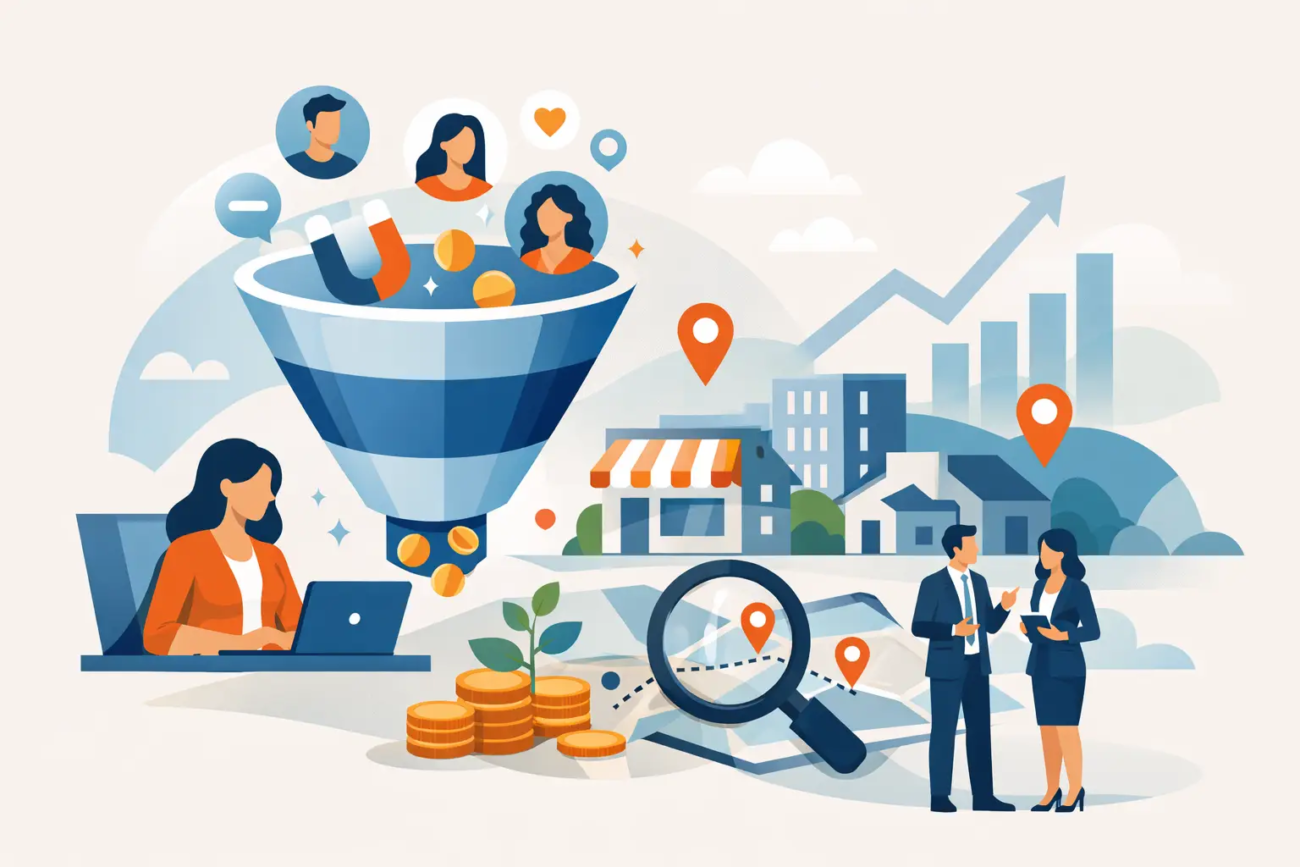
The most practical way to decide between web designing vs digital marketing is to identify the point where prospects are dropping off.
If people are finding your business but not taking action, your website may need work. If people are not finding your business at all, marketing likely needs attention first. If both are weak, then you need a coordinated plan instead of treating them as separate projects.
This is where many businesses lose money. They invest in a nice-looking site without SEO, content, or campaign support. Or they spend on ads that send traffic to pages that do not convert. Neither side performs well in isolation.
A dependable strategy starts with questions like these: Are we getting enough traffic? Is that traffic qualified? Do visitors understand what we offer? Is it easy to request service, make contact, or take the next step? Where are leads actually coming from? Without those answers, budget decisions are mostly guesswork.
How web design supports marketing results
A well-built website does more than look professional. It improves campaign performance. Better page structure helps SEO. Clear calls to action improve conversion rates. Fast load times reduce bounce rates. Mobile-friendly layouts support users coming from search, email, and social channels.
Good design also helps operations. When your site is organized around your actual services, sales process, and customer questions, your team spends less time correcting confusion. That matters for lean organizations that need marketing tools to work without constant babysitting.
For example, if you run direct mail or Google Ads campaigns, the landing page experience matters just as much as the offer. If the page is cluttered, slow, or vague, your ad spend will work harder for weaker results. Design is not decoration. It is part of the conversion process.
How digital marketing gives your website a job to do
A website without active marketing often becomes an online brochure that sits quietly in the background. Digital marketing gives it purpose. SEO brings in organic traffic from people searching for your services. Paid ads create immediate visibility. Email marketing keeps your business in front of prospects and existing customers. Social media reinforces awareness and helps support campaigns, events, and promotions.
Marketing also creates measurable feedback. You can see which pages attract traffic, which offers generate responses, and which campaigns produce actual leads. That data can then guide future design decisions. In other words, marketing does not just send people to your site. It tells you how your site is performing in the real world.
For many organizations, this is where smarter growth happens. Instead of rebuilding everything at once, they improve what matters most based on how customers actually behave.
What businesses often get wrong
One common mistake is treating web design as a one-time project and digital marketing as an optional add-on. In practice, your site needs updates as your business changes, and your marketing needs ongoing attention if you want steady visibility.
Another mistake is hiring separate vendors who do not coordinate. The designer focuses on visuals. The marketing provider focuses on traffic. The printer handles collateral. The business ends up managing the gaps. That setup often causes delays, mixed messaging, and inconsistent execution.
A more reliable approach is to align design, messaging, and promotion from the start. When your website, printed materials, local campaigns, and online channels support the same goal, results are usually stronger and easier to manage. That is one reason businesses work with centralized partners like Fox Tracks. It reduces handoff problems and keeps execution moving.
Which one is better for your business right now?
If your website is outdated, hard to use, or hurting credibility, start with web design improvements. If your site is solid but traffic and lead flow are weak, start with digital marketing. If your business is launching a new service, entering a new market, or trying to improve conversion across several channels, treat both as connected investments.
There is no universal winner in web designing vs digital marketing because they do different jobs. The better question is which one removes the next barrier to growth.
For most businesses, the strongest results come from building a site that is easy to trust and easy to use, then supporting it with marketing that brings the right audience through the door. If you focus on that order of operations, your budget works harder, your message stays clearer, and your marketing becomes easier to scale.
Before you approve another redesign or launch another campaign, pause and look at the full path from first impression to final inquiry. The smartest next move is usually the one that fixes the weakest link first.